
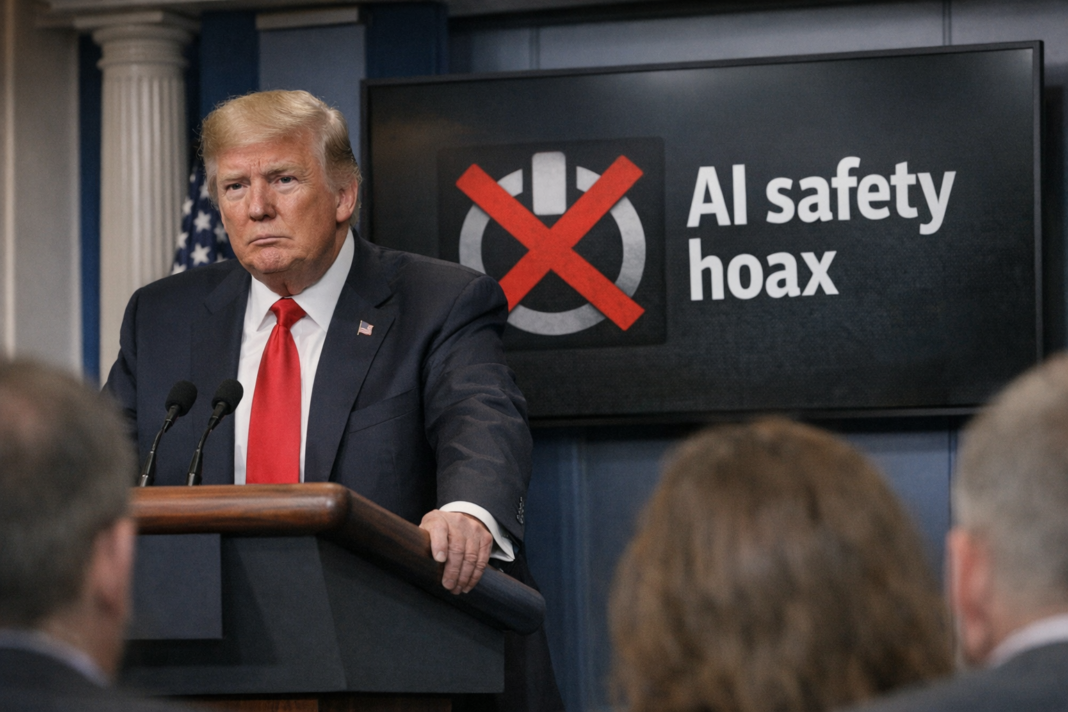

Donald Trump dismissed growing calls for tighter controls on artificial intelligence, calling some safety warnings a “hoax” and rejecting proposals for stronger safeguards. The president’s remarks mark a clear divergence from recent appeals by some industry figures urging more robust technical and regulatory measures to address the technology’s risks.
In a high-profile intervention, Anthropic co-founder Jack Clark told the BBC that a mandatory technical “kill switch” for advanced systems might be necessary. Clark framed the proposal as part of broader industry discussions about ways to ensure systems remain controllable as capabilities increase.
The exchange highlights an emerging fault line between some developers and political leaders over the pace and nature of oversight. While proponents of stricter measures point to technical controls and binding standards, opponents argue that onerous rules could hinder innovation. Policymakers in the United States and other jurisdictions are weighing a range of options, from voluntary industry standards to legislation that would impose specific safety requirements.
The public back-and-forth carries implications for companies building advanced models and for regulators crafting future rules. The contrast between calls for mandatory safeguards and the president’s dismissal of those concerns may shape legislative priorities and enforcement approaches in the months ahead. Observers following developments in artificial intelligence will watch whether the debate over technical constraints such as a kill switch translates into concrete policy proposals or industry standards.






