
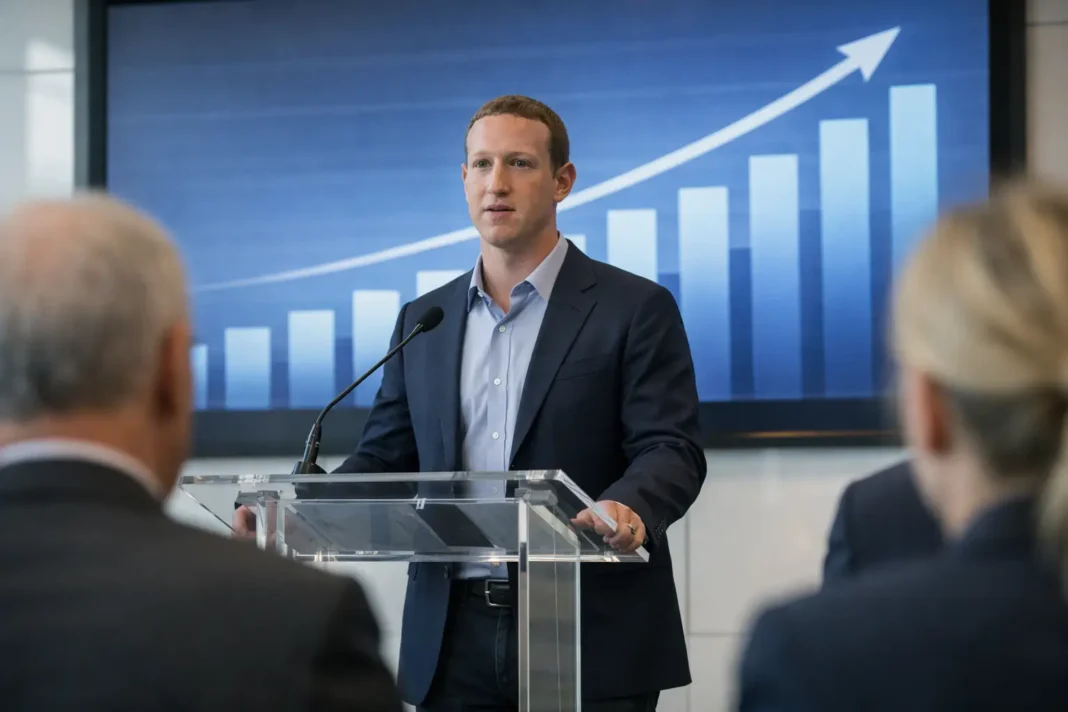

Mark Zuckerberg’s image has been recast in recent cultural narratives by a film that frames the founder as a central antagonist. The depiction has reignited public debate about leadership, corporate influence and the societal impact of large platforms. At the same time, Meta continues to demonstrate commercial momentum: its services remain pivotal for many advertisers and a large user base, producing results that appear insulated from episodic reputational setbacks.
The durability of the company’s business rests on a mix of scale, advertising infrastructure and strategic bets beyond social apps. Advertisers value granular targeting and reach, while the firm is investing in hardware, new virtual experiences and advanced systems that it argues will underpin future growth. Those commercial levers help explain why public perception of a leader does not always translate directly into near-term financial disruption within the broader technology sector.
The cultural footprint of the film is nonetheless significant: portrayals in popular media shape conversations among consumers, employees and policymakers. Such narratives can amplify scrutiny and influence recruitment, partner relationships and regulatory attention over time. Companies in this position face the dual task of defending commercial relationships and addressing reputational concerns that may have longer-term consequences for trust and governance.
Looking ahead, the immediate consequence is a split between image and income that market participants and observers will watch closely. Performance metrics such as user engagement, advertising demand and investment returns will determine whether reputation issues translate into material business effects. Meanwhile, competitors, regulators and civil society actors may respond to the renewed spotlight, forcing strategic or governance changes. The coming months will clarify whether the company’s operational strengths will continue to outweigh cultural headwinds or whether sustained reputational pressure will prompt deeper shifts in behaviour and oversight.






