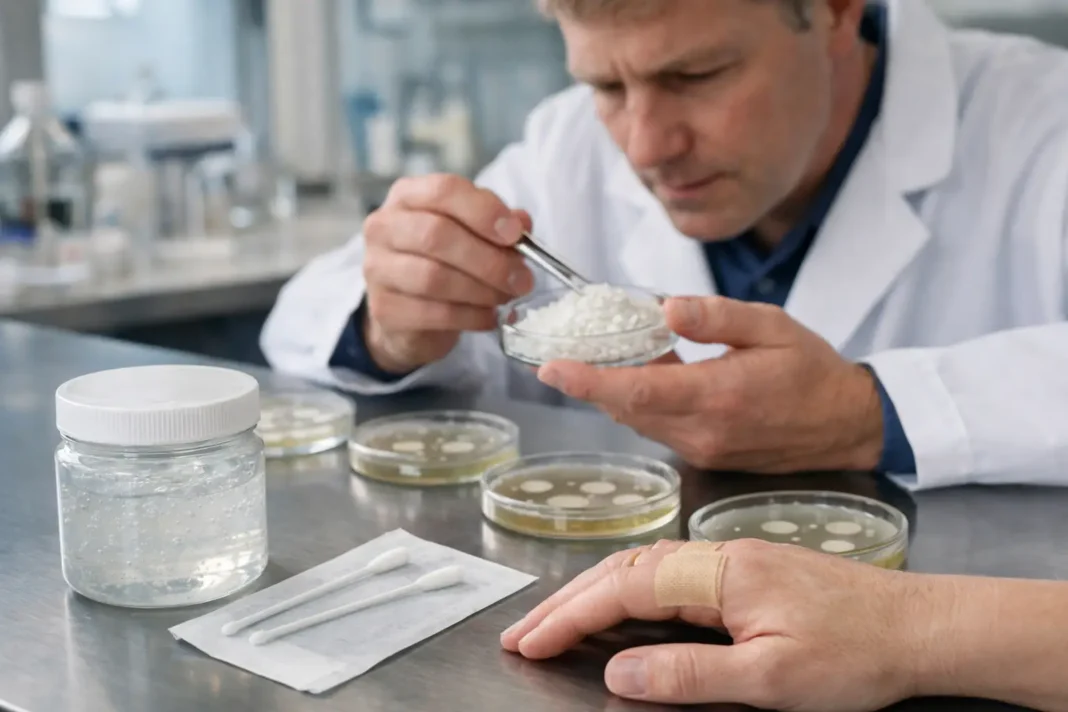

Vanillin shows potent antimicrobial, anti-inflammatory and tissue-repair properties, according to recent scientific findings that highlight a surprising therapeutic side to the common flavor compound. Researchers report that this inexpensive and widely available molecule, best known for giving vanilla its aroma, demonstrated biological activities that may be relevant to treating infected or slow-healing wounds.
The compound’s profile — ubiquity in food products and a long record of safe use in flavoring — makes it attractive for further investigation as a component of advanced wound care and regenerative medicine products. Scientists note that vanillin’s combined effects on microbes, inflammation and tissue repair present opportunities for integration into dressings, topical formulations or biomaterial coatings aimed at reducing infection risk and supporting tissue recovery.
Clinical need underlies the interest: chronic and complex wounds, often complicated by resistant bacteria and prolonged inflammation, represent a significant burden for patients and health systems. The discovery prompts renewed attention to naturally derived small molecules as complements to existing antimicrobial strategies. Experts caution, however, that laboratory observations must be followed by systematic preclinical testing and carefully designed clinical trials to confirm efficacy, optimize dosing and rule out unforeseen safety issues when used therapeutically rather than as a food additive.
The next phase will likely involve interdisciplinary work between microbiologists, pharmacologists and materials scientists to evaluate vanillin within relevant delivery systems and compare its performance with established wound therapies. If subsequent studies validate the early findings, vanillin’s low cost and ready availability could facilitate broader access to improved treatments. For now, researchers describe the results as an encouraging step toward expanding the repertoire of molecules available for infection control and tissue repair, while underscoring the need for rigorous evidence before clinical adoption.