

Taika Waititi‘s adaptation of Kazuo Ishiguro‘s novel presented a rare festival moment where reaction fell cleanly along generational lines. Screenings at the London Film Festival generated enthusiastic praise from younger viewers and influencers, while many established critics offered more reserved assessments. The divergence has intensified discussion about how contemporary audiences receive stories that blend human feeling and artificial companionship.
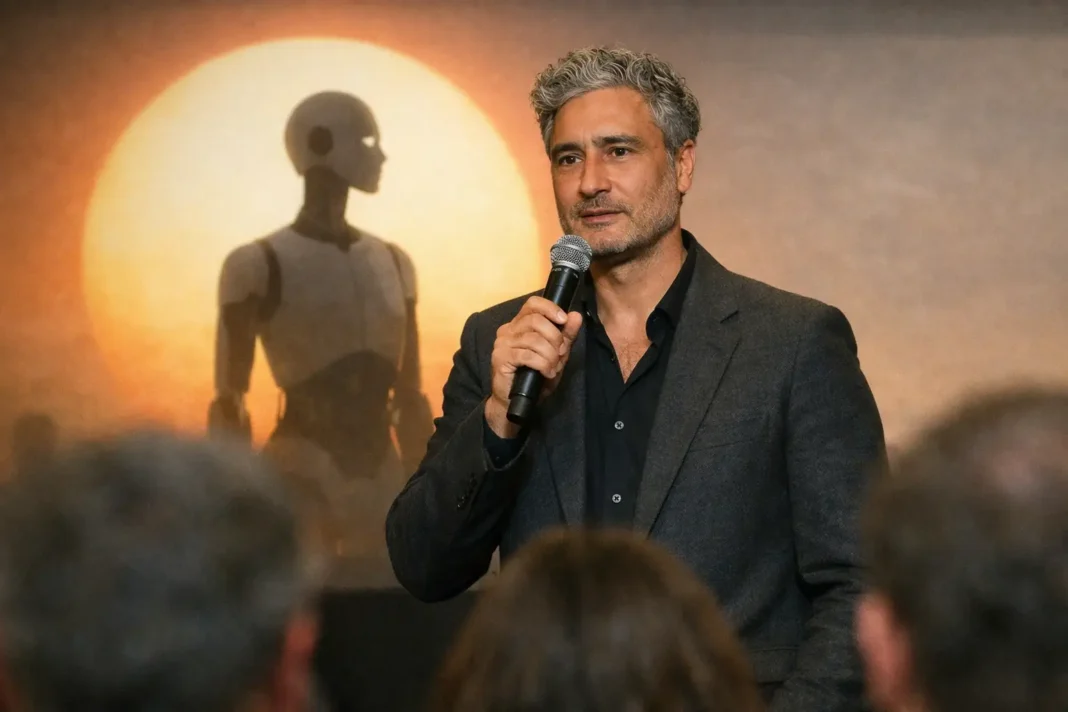
The film follows the relationship at the novel’s core: a sick adolescent named Josie and her attentive, fault-prone artificial friend, Klara. Waititi’s version keeps the book’s intimate focus, emphasising quiet observations over spectacle. At a post-screening event the director appeared visibly relieved by supportive reactions from younger attendees, an exchange that underscored how adaptation choices can resonate differently across age groups and viewing habits.
Author Kazuo Ishiguro joined the conversation at the festival, reflecting on the emotional complexity that the story aims to explore. He noted that basic labels for feelings can mask subtler dynamics; the film, like the novel, probes how affection, loss and hope can coexist in uneasy ways. The discussion highlighted recurring themes in cultural responses to artificial intelligence: whether synthetic companions can carry moral or emotional weight, and how personal experience shapes what viewers take away from such narratives.
Beyond immediate reactions, the festival screenings have prompted broader questions about cinema’s role in framing technological change. Waititi’s film has become a touchstone for debates over adaptation fidelity, audience empathy and the depiction of grief in an era of rapid innovation. As critics and fans continue to weigh the film’s choices, the conversation suggests that works addressing machine–human bonds will remain culturally resonant and contested for some time to come.






