HomeOpinionEurope’s Street Protests Put Governments Under Electoral Pressure

Europe’s Street Protests Put Governments Under Electoral Pressure

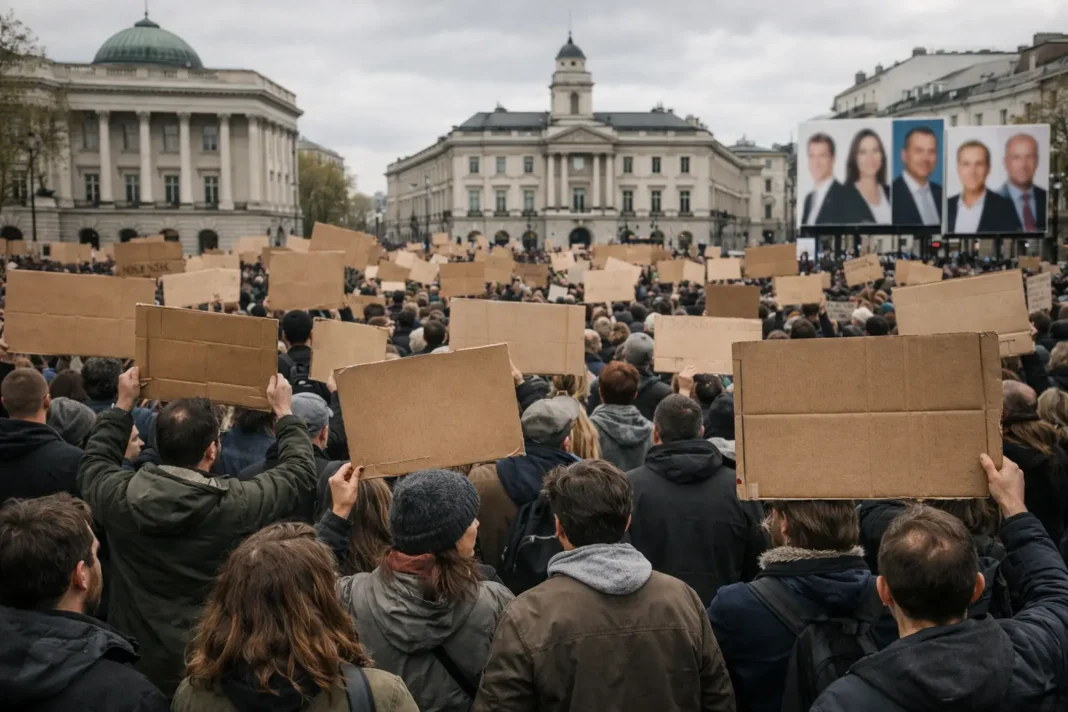
Across Europe, public anger is moving from sporadic protest to a broader political test for national governments. Demonstrations in Paris, Milan and Madrid point to a shared frustration with the distance between citizens’ expectations and what public authorities are seen to deliver. The grievances vary by country, but they cluster around familiar pressures: unaffordable housing, stagnant pay, rising living costs and concerns over public services, including schools.

The unrest is taking shape at a sensitive moment for Europe’s political calendar. Spain is due to vote next month in a snap election triggered after parliament rejected central housing reforms. France will begin the process of choosing a new president in April, while Poland, Italy and several smaller states are scheduled to hold elections before the end of 2027. These contests will offer voters an immediate way to judge governments on issues that have already brought people into the streets.

The pressure also reaches beyond national capitals. The European Union is not the direct authority behind every rent bill, wage dispute or classroom shortage, yet it is often judged through the same lens as domestic institutions: whether collective politics can improve daily life. When citizens face persistent insecurity, the distinction between national responsibility and European coordination can become less visible, especially in moments of economic strain.

That creates a practical challenge for both governments and EU institutions. Cooperation across borders remains central to many policy areas, from budget rules to energy and migration, but public acceptance depends on visible results. If voters associate European politics mainly with constraints rather than improvements, anger aimed first at national leaders can broaden into scepticism toward shared decision-making. The risk is less a single constitutional rupture than a gradual weakening of consent for cooperation.

The coming electoral cycle will therefore be watched not only for changes in government, but for signs of how social discontent is being translated into political choices. Housing, wages and the cost of living have become defining tests of credibility. For Europe’s leaders, the immediate task is to show that institutions can respond to material concerns before protest becomes a lasting measure of democratic dissatisfaction.


Advertisementspot_imgspot_img

Hot this week

Ancient Asteroid Impact Created Hidden Crater and 100m Tsunami in the North Sea

Researchers confirm a 160m asteroid formed the Silverpit Crater 43–46 million years ago, generating a 1.5 km plume and a tsunami over 100 m.

GP Says She Lost Her Job After Raising Gender Care Concerns

A GP says she was forced out after relaying colleagues’ concerns about gender-related treatment and facing a harsh investigation.

Ngumoha’s Breakthrough: A Coming‑of‑Age Night in Liverpool’s Comeback

Rio Ngumoha delivered a coming-of-age display during Liverpool's comeback win over Villarreal, a significant moment for the young player.

Reviving the EU question: caution urged as calls for a new referendum re-emerge

Debate over a fresh EU referendum has resurfaced. Commentators urge careful assessment of political, legal and social implications before any vote.

Sacha Baron Cohen Revives Ali G in Provocative, Divisive Sequel

Sacha Baron Cohen brings back Ali G in a live-hoax sequel that splits critics and prompts legal threats from a Republican leader.

Can a face reveal low iron? What the “ferritin face” trend gets wrong

Viral videos claim low iron can be seen in the face, but ferritin levels and iron deficiency require medical assessment and blood tests.

Healey’s Budget Faces the Test of Keeping Growth on Track

Healey’s Budget comes amid a stronger economy, but January could bring tougher conditions for the Labour government.

Vučić Concedes Defeat as Serbia’s Student-Led Movement Claims a Political Breakthrough

Serbia’s longtime leader Aleksandar Vučić says his party has lost a vote framed as a test of the country’s future.

Carrick Chants Cut Through Old Trafford Frustration

Manchester United fans backed Michael Carrick during the 3-0 home loss to Bournemouth while voicing wider frustration.

Sharon Osbourne Says Daily Visits to Ozzy’s Grave Keep Him Close

Sharon Osbourne says she visits Ozzy Osbourne’s grave every day, can see the burial site from her window and still talks to him.

Ross Smith Holds Off Martin Schindler to Win European Championship Again

Ross Smith defeats Martin Schindler 11-8 in Dortmund to claim the Machineseeker European Championship for a second time.

Ali G Film Subject Says He Was Playing Along With Sacha Baron Cohen’s Prank

Joshua Loudermilk says he recognised Sacha Baron Cohen during Ali G: Who Iz I? and chose to keep acting for the cameras.

Genetics May Explain Why Low-Dose Aspirin Is Linked to Lower Dementia Risk in Some Older Adults

Low-dose aspirin was linked to lower dementia risk only in older adults with a specific genetic profile, raising precision prevention questions.
Advertisementspot_img

Related Articles
