
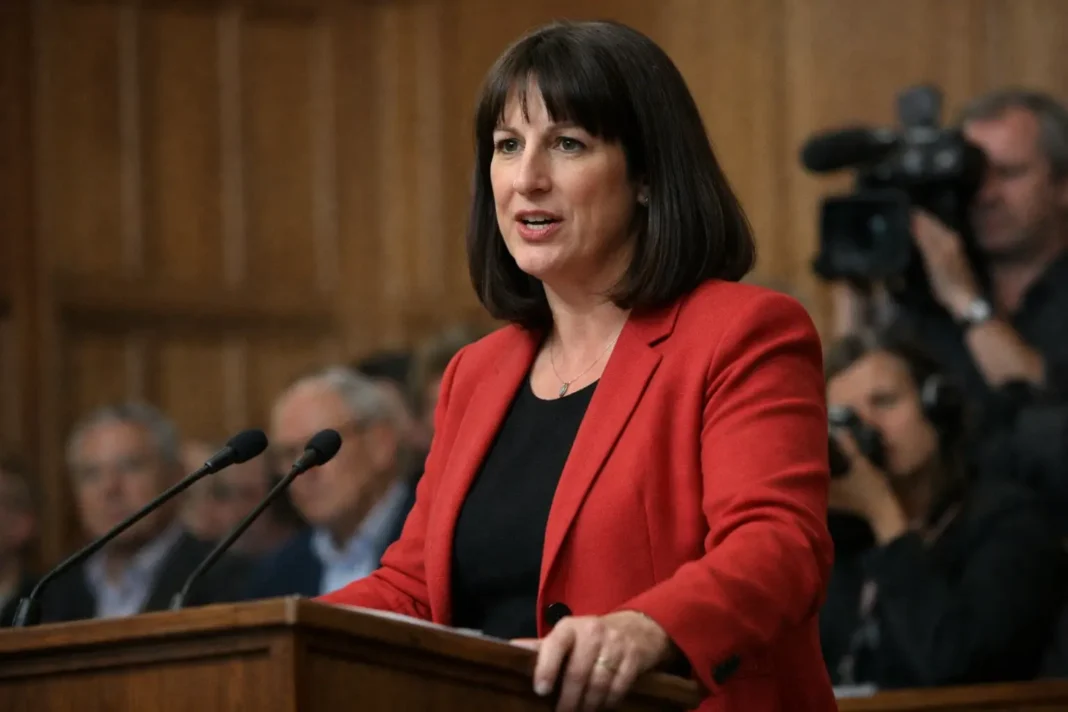

Rachel Reeves has returned to the centre of the British political debate with a clear message: her record in government, and the direction set by figures close to Keir Starmer, should not be treated as a closed chapter. In remarks previewing a lecture at Harvard University, the former chancellor presented herself as a defender of a pro-European economic outlook and of decisions taken during her time in office.
Her intervention focused on two themes now central to Labour’s internal conversation: the relationship between Britain and Europe, and the pressure on household incomes. Reeves argued that Britain’s future belongs in Europe and maintained that she “absolutely” made the right major calls as chancellor, while allowing that some choices might have been handled differently. She also linked last week’s budget from John Healey to groundwork she says was laid during her tenure.
The timing gives the remarks wider significance inside the Labour Party. Andy Burnham has become a prominent reference point in debates about Labour’s next phase, particularly on economic delivery and a closer posture toward Europe after Brexit. Reeves’s argument places those themes within the record of the Starmer era rather than treating them as a fresh political departure. It is a reminder that former senior figures intend to contest how recent Labour government is remembered.
That matters because the party’s future offer depends not only on new policy, but on how voters interpret what has already been attempted. The debate over Europe remains politically sensitive, while the question of disposable income continues to define perceptions of economic competence. By defending her fiscal legacy and associating it with current budget choices, Reeves is seeking to keep continuity at the heart of Labour’s argument, even as other voices press for renewal.






