
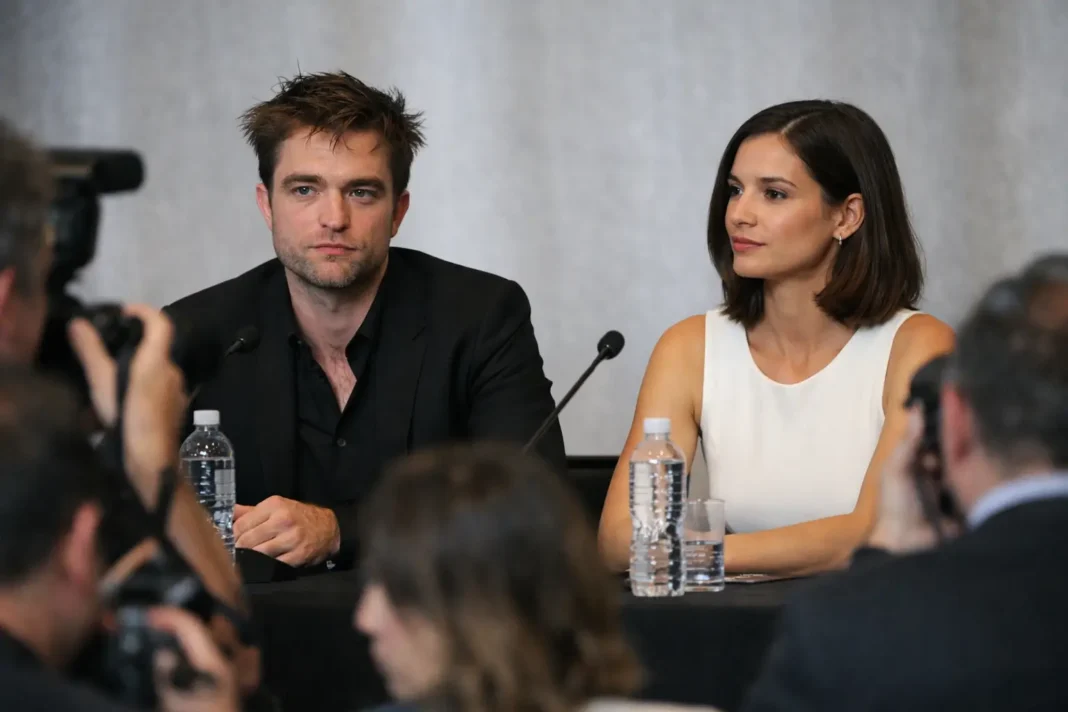

The search for Bond’s next on-screen partner has become more than a casting guessing game. Speculation around a future Robert Pattinson 007 era has renewed attention on one of the franchise’s most recognisable, and most debated, traditions: the so-called Bond girl. The question now is not only who might take the role, but what kind of character audiences will accept in a modern cinema landscape shaped by sharper expectations around female characters.
The term has long carried glamour, danger and instant global visibility, but it also comes with baggage. In the history of James Bond, the leading woman has often been central to the film’s atmosphere while remaining tied to the hero’s journey. That formula is increasingly difficult to present unchanged. Commentators following the casting debate argue that the next female lead will need a very strong identity, meaning a character defined by purpose, agency and narrative weight rather than by proximity to Bond alone.
That shift matters because the next 007 film will arrive under unusual scrutiny. Any actor connected to the role of Bond inherits a franchise with decades of visual codes, audience loyalty and cultural criticism. If Pattinson remains part of the conversation, the attention surrounding his possible screen counterpart will be amplified by the need to signal continuity without repeating old patterns. The female lead is no longer seen as a decorative extension of the spy mythology; she is expected to help establish the tone of the new chapter.
For producers, the challenge is balancing recognisable elements with contemporary credibility. The Bond universe still depends on style, tension and attraction, but those ingredients now sit alongside a demand for characters who can stand independently within the story. A memorable leading woman can shape the stakes of a film, deepen its emotional field and give the central mission more than spectacle. That is why casting speculation has quickly become a broader debate about writing, not just star power.
No official casting choice has been announced in the material at hand, and the discussion remains driven by anticipation rather than confirmation. Even so, the debate shows how much the franchise’s future depends on more than the identity of its next 007. Whoever appears opposite Bond will be judged not only on chemistry, but on whether the role reflects a franchise willing to evolve while preserving the allure that made it a global screen institution.






