

Magazine
“All in all, vulnerable countries lamented that [COP29] was a lost opportunity for collective action and the outcome did not reflect a meaningful agreement on climate finance.”
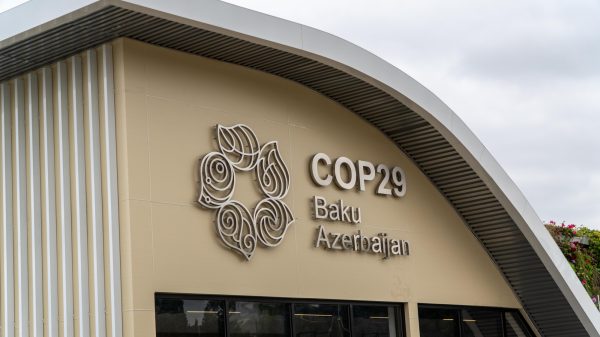
In November, the world gathered in the capital of Azerbaijan, Baku, for the annual United Nations Climate Change Conference. COP29 was characterized by many as the “Finance COP,” a time for developed countries to hammer out a significant agreement on how, and with how much, to support developing countries in meeting the challenges of climate change.
The conference even went into overtime; but the ultimate deal – which called on developed countries to deliver at least $300 billion per year to developing countries by 2035 – left much to be desired.
In the following interview, Meera Gopal – a senior program officer for climate at the Asia Society Policy Institute – details Asia’s multifaceted positions and concerns in regard to climate change, how countries from India to China approached the negotiations in Baku, and what lies ahead with the United States, soon to be under a second Trump administration, expected to step back from leadership in this space.
As for COP29, Gopal says, “All in all, vulnerable countries lamented that this was a lost opportunity for collective action and the outcome did not reflect a meaningful agreement on climate finance.”
It’s been another year of deadly natural disasters in the Asia-Pacific, particularly in South and Southeast Asia. How did that reality factor in to Asian government’s priorities at COP29?
Climate-related extreme weather events are now a grim reality for climate-vulnerable countries in South and Southeast Asia. For instance, speaking at Bangladesh’s official press conference during COP29, Rizwana Hassan, the adviser for environment, forest, and climate change to Bangladesh’s interim government, shared that two episodes of unprecedented flooding last year impacted 1.7 percent of the national budget. For a country already under financial strain and with limited domestic resources to adapt, these recurring extreme weather events are devastating. This is also true for other climate vulnerable nations in the region including the Pacific Islands, Pakistan, Nepal, and also Central Asian countries.
With unsustainable debt levels, these countries struggle to allocate funds for climate adaptation and resilience year after year, and this was reflected in the calls to action presented by the regional leaders at COP29 for affordable and accessible climate finance. Represented through blocs like the G77+China, the Least Developed Country (LDC) Group, and the Alliance of Small Island States (AOSIS), these nations emphasized three key areas to support their efforts to address climate change induced vulnerability: (1) The new climate finance goal incorporating grants or low-cost concessional financing, including specific allocations for SIDS and LDCs which unfortunately did not make it into the final text; (2) ensuring the operationalization of the Loss and Damage Fund, such that it can start disbursing funds at the earliest; and (3) strengthening the framework on the Global Goal on Adaptation, especially developing key indicators, and specific provisions on how it will be implemented.
Notably, even middle-income countries in the region, such as India, are now mainstreaming climate action into governance frameworks. India, for instance, emphasized integrating “means of implementation” indicators – often a proxy for adaptation finance – into the COP agenda.
A point of contention at COP29 was “transformational adaptation,” which entails policy shifts like land-use changes advocated by developed countries, pushing for systemic changes to address the root cause of climate vulnerability. In contrast, developing nations prioritized long-term adaptation plans and the means to implement them effectively. For them, systemic changes can only be undertaken upon provision of support on capacity building and adequate financing.



