HomeIsraelFour in ten reptile species in Israel at risk of extinction, rare...

Four in ten reptile species in Israel at risk of extinction, rare audit finds


The state of Israel’s reptiles continues to decline, according to an updated Red List, the first to be published in 23 years.

The book (in Hebrew) finds that out of 92 species and subspecies, 5% are at serious risk of extinction, 34% are at risk, 31% are likely to become at risk, 8% are at low risk, and 33% are at no risk. For 7% there is insufficient information to make an assessment.

Among the species whose ranking worsened by two or three levels are the javelin sand boa, Olivier’s sand lizard, the false smooth snake, the black desert cobra, the crowned dwarf racer snake, Blanford’s ground gecko, and the European glass lizard.

Species at risk of extinction include five out of six turtles and 21 out of 45 lizards. That said, several turtle species are among those whose situation has improved, probably due to conservation programs.

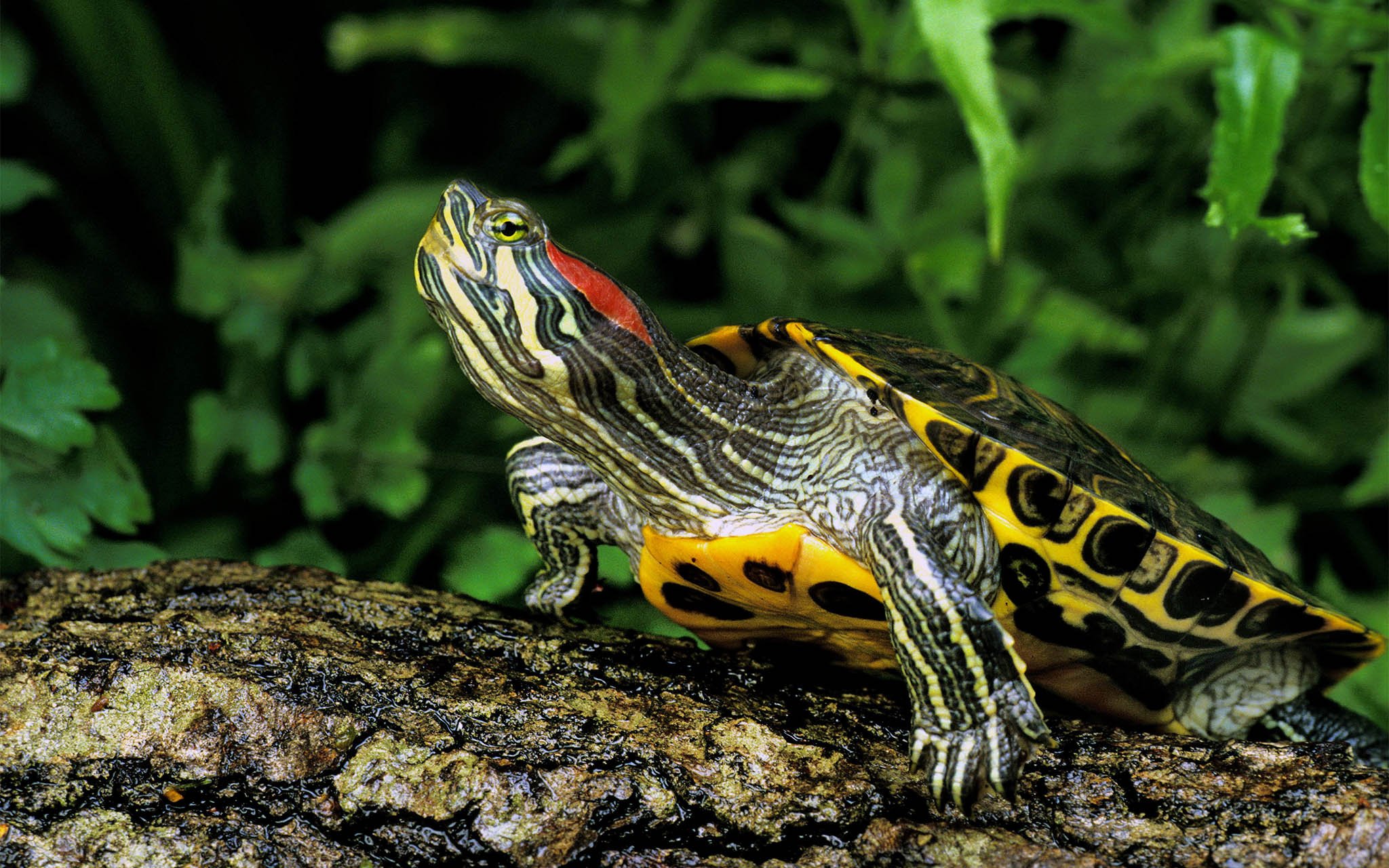
Several invasive species also feature in the list — a lizard, two geckos, and a red-eared terrapin, a popular pet native to the southern US and northern Mexico. Invasive species compete with and threaten native ones.

Species at extreme risk tend to have small populations and are typically found in specific habitats, the report said. These include Schreiber’s fringe-fingered lizard, which lives on the sands of central Israel, where human activity is most intense, along with the Lebanon viper, Kulzer’s lizard, and the non-venomous four-lined snake found on Mount Hermon in the Golan Heights, in Israel’s far north.

The report says that while the desert is less affected than areas closer to the country’s center, species endemic to (only found in) the Eilat region suffer, or will suffer in the near future, from the development of the city and plans to build a railway to the Red Sea resort. On Mount Hermon, the main threats are from military and tourist activity, and frequent fires over large areas.

The Lebanon viper, found on Mount Hermon in the far north of Israel, faces serious risk of extinction, according to the latest Red List of reptiles. (Aviad Bar, Israel Nature and Parks Authority)

Israel’s wildlife faces a range of threats, from construction, agriculture, and the destruction of open space, to invasive and feral species, construction of solar fields, sand mining, off-road vehicles, and military activity, according to the Red List.

The list, published by the Israel Nature and Parks Authority, was put together over two years in partnership with Tel Aviv University’s Steinhardt Museum of Natural History. It was led by Prof. Shai Meiri, curator of terrestrial vertebrates at the Steinhardt Museum, and doctoral student Ben Sharmeister, along with Dr. Noam Lieder, head of ecology, and Dr. Tal Polak, responsible for wild animal conservation, at the Israel Nature and Parks Authority.

“It is no secret that the state of nature in general and the animal world is getting worse,” Sharmeister said. “Natural areas are shrinking, temperatures are rising, and risks are increasing year by year. This is especially true for reptiles… We know very little about the life, needs, biology, and state of the various populations, which is why this book is very important. I hope we can come together – professionals, academia, and the public – to preserve the status of reptiles and hopefully even improve it.”



Is The Times of Israel important to you?

If so, we have a request.

Every day, even during war, our journalists keep you abreast of the most important developments that merit your attention. Millions of people rely on ToI for fast, fair and free coverage of Israel and the Jewish world.

We care about Israel – and we know you do too. So today, we have an ask: show your appreciation for our work by joining The Times of Israel Community, an exclusive group for readers like you who appreciate and financially support our work.


Yes, I’ll give


Yes, I’ll give

Already a member? Sign in to stop seeing this


You appreciate our journalism

You clearly find our careful reporting valuable, in a time when facts are often distorted and news coverage often lacks context.

Your support is essential to continue our work. We want to continue delivering the professional journalism you value, even as the demands on our newsroom have grown dramatically since October 7.

So today, please consider joining our reader support group, The Times of Israel Community. For as little as $6 a month you’ll become our partners while enjoying The Times of Israel AD-FREE, as well as accessing exclusive content available only to Times of Israel Community members.

Thank you,David Horovitz, Founding Editor of The Times of Israel


Join Our Community


Join Our Community

Already a member? Sign in to stop seeing this


Source link

Advertisementspot_imgspot_img

Hot this week

Trump Announces Pullback of US-South Korea Exercises Citing Iran stance and North Korea Ties

Trump says the US will reduce joint drills with South Korea after Seoul stayed out of the Iran conflict and citing ties with North Korea's leader.

Trump Warns of Severe Economic Penalties for Countries Aiding Iran

Donald Trump warned of 'tremendous economic consequences' for any country aiding Iran after a 60-day ceasefire expired, escalating diplomatic stakes.

Israel launches criminal probe after soldiers fired on car that carried child

Israeli military confirms soldiers fired at a vehicle carrying five-year-old Hind Rajab; a criminal investigation has been opened after her death with six relatives.

Heat Politics: Reform’s Message Forces a Choice Between Immediate Comfort and Long-Term Costs

Reform UK's deputy leader urged acceptance of recent heat, prompting debate on policy priorities amid wildfires, crop damage and emergency strain.

Bus strikes in London underline risks of working through extreme heat

Arriva bus drivers stage stoppages as soaring temperatures expose dangers for frontline workers and test workplace protections.

IBM unveils modular ultracold systems to scale fault‑tolerant quantum computing

IBM unveils modular ultracold cryogenic modules and superconducting links to connect quantum chips, aiming for fault‑tolerant machines by 2029.

A 17-year-old carer on missed milestones and hidden labour of youth care

A teenager's account highlights how unpaid caregiving in youth affects schooling, social life and future prospects.

Trump Warns of Severe Economic Penalties for Countries Aiding Iran

Donald Trump warned of 'tremendous economic consequences' for any country aiding Iran after a 60-day ceasefire expired, escalating diplomatic stakes.

Israel launches criminal probe after soldiers fired on car that carried child

Israeli military confirms soldiers fired at a vehicle carrying five-year-old Hind Rajab; a criminal investigation has been opened after her death with six relatives.

Heat Politics: Reform’s Message Forces a Choice Between Immediate Comfort and Long-Term Costs

Reform UK's deputy leader urged acceptance of recent heat, prompting debate on policy priorities amid wildfires, crop damage and emergency strain.

Root’s comeback as captain sparks clinical England bowling at Headingley

Joe Root's second stint as Test captain begins as England dismiss Pakistan for 171, led by five-wicket hauls from Robinson and Tongue.

Edinburgh Fringe Embraces Explicit Comedy as Performers Push Boundaries

At the Edinburgh Fringe a wave of explicit comedy—from Julian Clary to street typists—questions conventions and draws engaged, often startled audiences.

How Honeybees Balance Their Larvae’s Diet: A Hidden Nutritional Strategy

Research shows honeybees detect nutrient imbalances in pollen and process it into well-balanced provisions for their larvae.
Advertisementspot_img

Related Articles
