

Every season generously gifts us with fresh gifts of nature – vegetables, fruits and herbs. These products are not high in calories, but they are an important source of vitamins, minerals and fiber necessary for health.
Even if vegetables and fruits do not cause much delight, including them in the diet daily is vital, writes UNIAN.
How many vegetables and fruits should you eat per day?
Regular consumption of plant-based foods helps reduce the risk of heart disease, diabetes and obesity. Nutritionists advise adults to eat about 400 grams of vegetables and 200 grams of fruits daily. It is worth remembering: a glass of juice cannot replace fresh product, since it contains less fiber and more sugars.
You don’t need to cut out juices completely, but it’s important to understand that store-bought options often contain flavorings and sweeteners. If you want a truly healthy drink, prepare freshly squeezed juice at home.
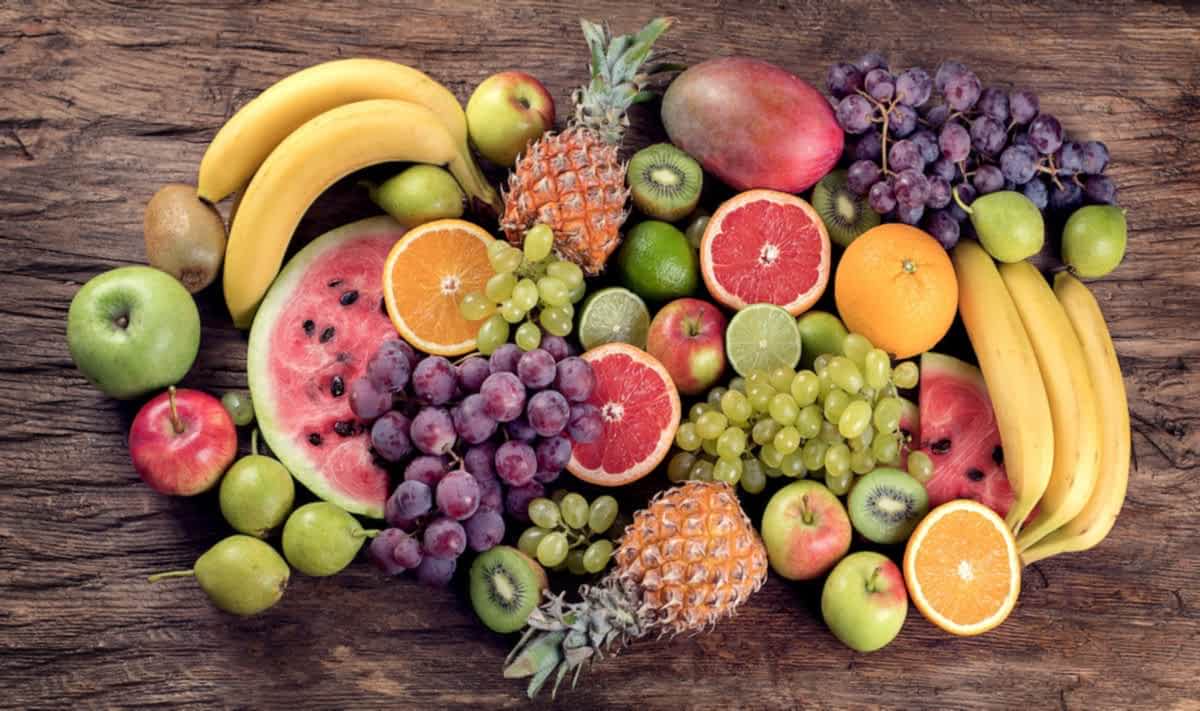
How to choose vegetables and fruits by color
The color of the product tells you which substances predominate in its composition and what benefits it will bring to the body:
Blue and purple contain anthocyanins, which reduce inflammation and support gut health.
Red ones are rich in lycopene, an antioxidant that reduces the risk of cancer and strengthens the heart.
Yellow and orange are sources of beta-carotene. It is good for vision, skin, blood vessels and helps control cholesterol levels.
White and brown – contain allicin, which strengthens the immune system, heart and blood vessels. The most famous food with allicin is garlic.
Greens are rich in chlorophyll, which helps cleanse blood vessels, normalize blood pressure and increase hemoglobin levels.
A colorful menu is not just beautiful, but also useful. The more diverse the palette on your plate, the greater the range of nutrients your body receives every day.
Previously, a nutritionist spoke about foods that cause blood sugar spikes.



