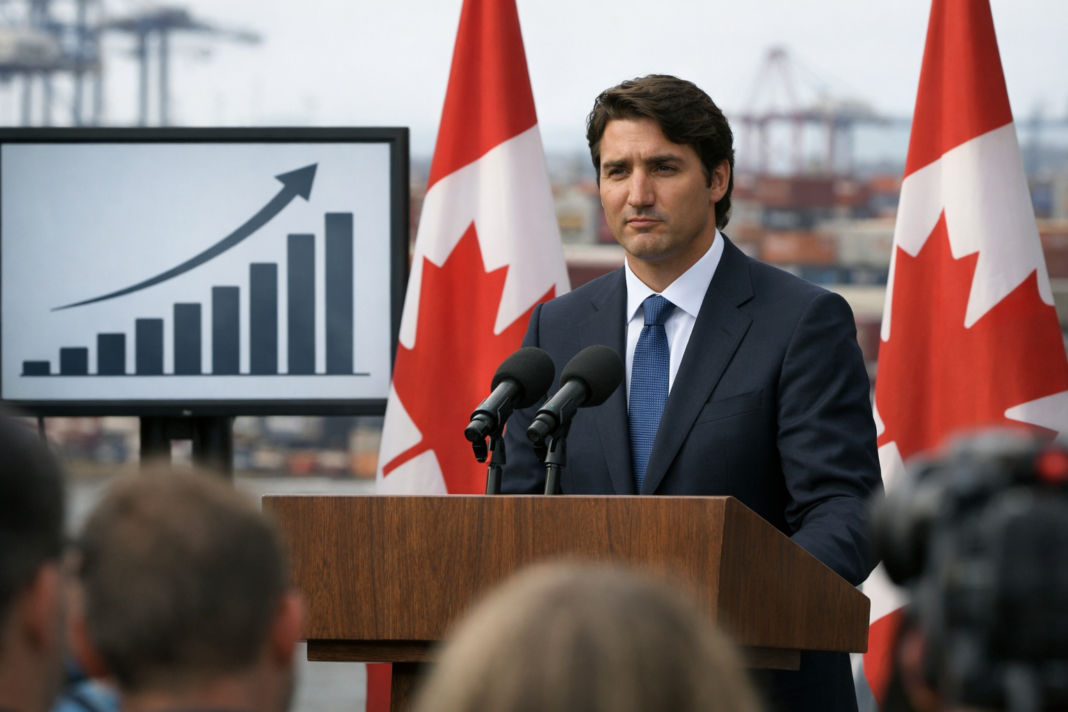

Carney said the most recent measures by the United States amounted to an escalation that had effectively started a trade war. In a public statement, Carney characterised the fresh duties as an “attack” and framed them as the immediate trigger for a Canadian response. At the same time, Canada’s prime minister signalled reluctance in imposing retaliatory levies but said Canada would act to defend national economic interests.
The Canadian government announced that it would implement countermeasures in the wake of the US action, describing the steps as necessary to protect domestic producers and preserve fair competition. Officials emphasised that the decision to introduce reciprocal tariffs was taken with reluctance and only after efforts to resolve the dispute did not produce a satisfactory outcome. The administration framed the measures as proportionate and targeted, intended to respond directly to the policies cited by the US.
Analysts note that such moves raise the prospect of wider disruption for cross-border supply chains and exporters who rely on integrated markets. Businesses that operate between Canada and the United States could face increased costs, while consumers might feel indirect effects through higher prices or reduced choice. Observers also point to the diplomatic strain that follows tit-for-tat trade restrictions, which can complicate parallel negotiations on investment, regulatory cooperation and bilateral frameworks.
Government sources indicated that Ottawa would continue to explore diplomatic and legal avenues to address the dispute while implementing its retaliatory measures. The announcement leaves open the possibility of further steps if tensions persist, and it places renewed emphasis on whether both capitals will return to talks to seek a negotiated solution. In the immediate term, companies and markets will be monitoring developments closely as officials weigh next steps and the broader implications for regional commerce.