
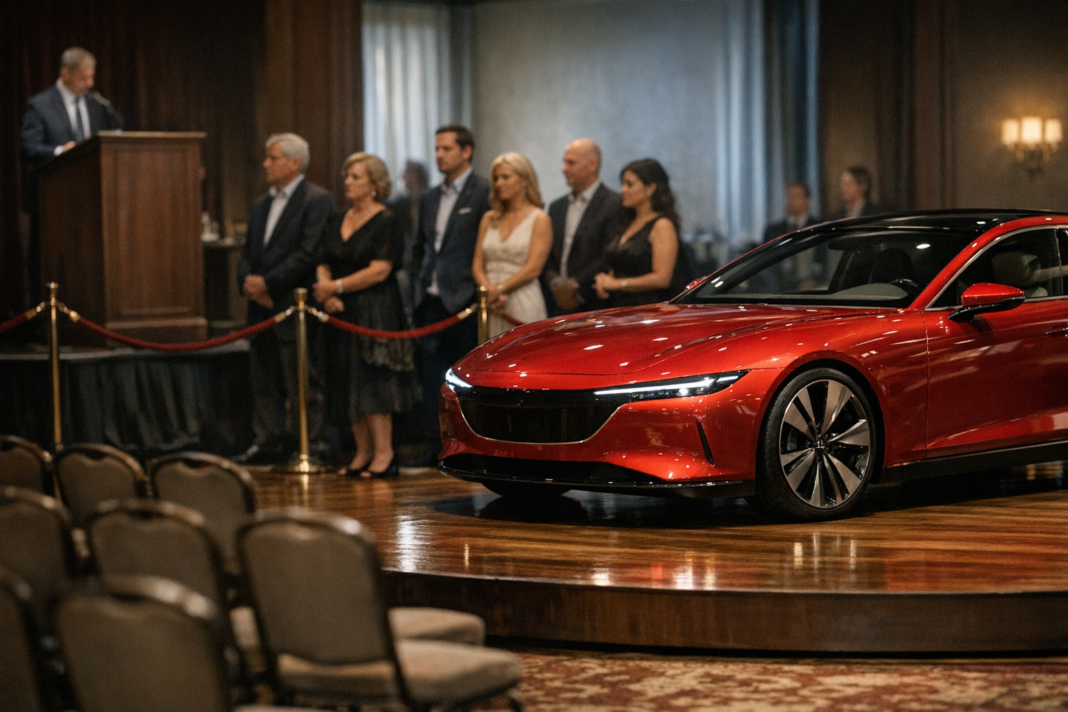

Ferrari’s first electric production model, the Luce, has been sold at auction for a record $40 million. The sale marks the highest-known hammer price for the marque’s debut entry into battery-powered vehicles and has drawn attention both for its value and the controversy surrounding its styling. Observers noted that the model’s introduction prompted a wider conversation about the brand’s design direction.
Luce‘s launch provoked criticism from some commentators who argued the new lines departed from the dramatic aesthetic long associated with the company. Critics said that the design choices represented a noticeable shift away from the sculptural, performance-focused forms that have defined the brand’s identity. The debate underscores the tensions manufacturers face when balancing legacy design cues with new packaging needs for electrification.
Ferrari‘s first electric offering commanding such a premium at auction highlights the market interest that can attach to milestone vehicles, even amid mixed critical reception. For collectors and investors, prototype and first-in-class examples often gain added cultural and monetary significance. At the same time, the strong sale price signals that demand for distinctive models tied to a major manufacturer’s historical pivot remains robust.
The episode is likely to inform how enthusiasts, designers and industry watchers assess the company’s next steps in electrified mobility. The combination of record-setting auction results and vocal design criticism positions the Luce as a focal point in discussions about heritage, innovation and the commercial valuation of pioneering models. Readers seeking further coverage of developments in electric vehicle technology and industry responses can follow the topic at voiture électrique.





