

Iran on Thursday said it was in the final stages of reaching an agreement with Oman concerning arrangements for the Strait of Hormuz, a key international waterway. The announcement did not include details on the scope or legal framework of the proposed accord. Iranian officials described progress in the talks but provided no text of an agreement or a timeline for implementation.
Neither the United States nor Oman issued comment in the immediate aftermath of Iran’s statement. The absence of confirmation from the other negotiating party left questions about the status of the negotiations and whether any third-party guarantees or international observers would be involved. Official responses from ministries and foreign services in Washington and Muscat remained pending at the time of the announcement.
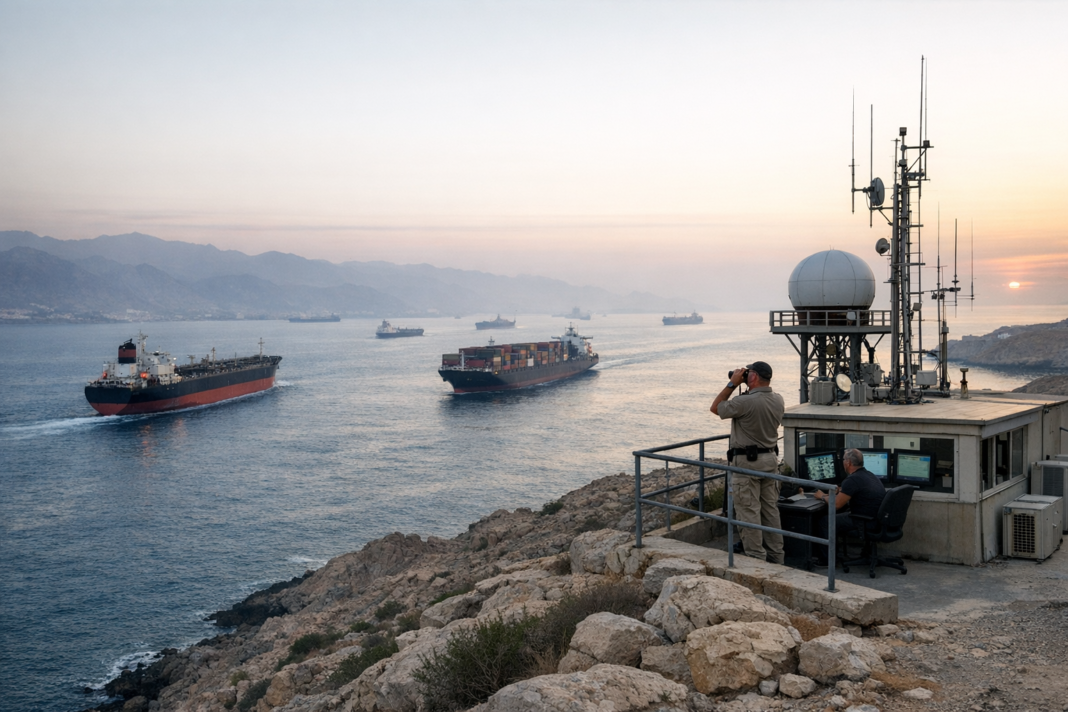
The Strait of Hormuz connects the Persian Gulf with the Gulf of Oman and is widely regarded as a strategically important maritime chokepoint for global energy and shipping routes. Developments affecting governance, security arrangements or transit procedures in the strait attract attention from commercial shipping companies, energy markets and states with commercial and strategic interests in the region. Iran’s public statement did not specify whether the focus is on navigation safety, security cooperation, emergency procedures or regulatory measures for commercial passage.
Oman has historically played a mediating role between Tehran and several Western capitals and has been involved in quiet diplomacy on regional issues. Any formal agreement between the two Gulf countries would likely be monitored by neighbouring states and international maritime stakeholders. Until official texts or joint communiqués are published, observers will rely on statements from the parties involved and on formal responses from affected states and international organizations to assess legal and operational implications for transit through the strait.





