
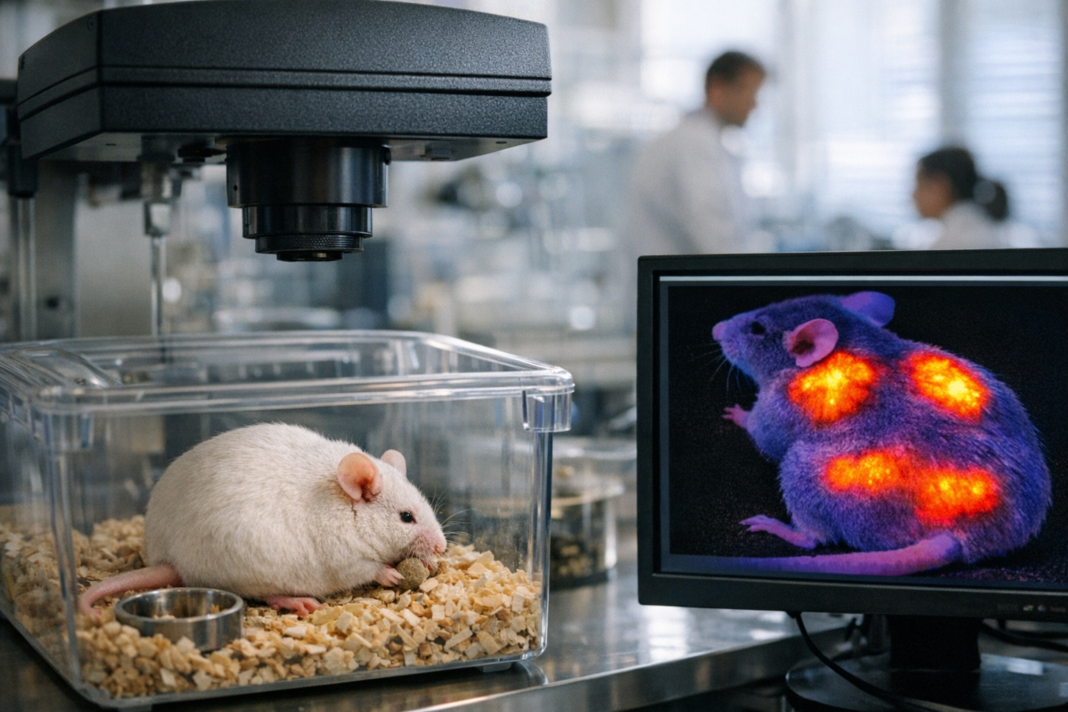

Tirzepatide drugs marketed as Mounjaro and Zepbound were observed to stimulate calorie-burning brown adipose tissue in obese mice, according to new laboratory research. The finding suggests that the medicines’ benefit may extend beyond appetite suppression to include direct effects on metabolic tissues. Researchers reported activation of brown fat, a tissue specialized in heat generation, after treatment with the compound tirzepatide.
Brown adipose tissue differs from white fat by its capacity for thermogenesis: it burns energy to produce heat through cellular processes rather than storing calories. Activation of this tissue increases energy expenditure, which in principle can contribute to weight loss and improved glucose handling. In the mouse experiments, tirzepatide appeared to prompt changes consistent with higher brown fat activity, a mechanism that could complement reduced caloric intake driven by the drugs’ appetite effects.
The potential clinical implications are significant if the result translates to humans. Tirzepatide has produced notable weight loss and metabolic improvements in trials and real-world use, and brown fat activation would offer a biological explanation for some of those outcomes. Confirmation in human studies would help refine understanding of how these medicines work and might inform development of therapies that target both appetite and peripheral metabolic pathways for obesity and diabetes care.
Caution is warranted: many therapies that show promise in rodents do not replicate the same effects in people, and differences in brown fat distribution and function between species are well documented. Safety, durability of effect and the magnitude of any brown fat contribution remain unknown until clinical research addresses them directly. Further investigation will be needed to determine whether brown fat activation by tirzepatide can be harnessed safely and effectively in human treatment strategies.






