
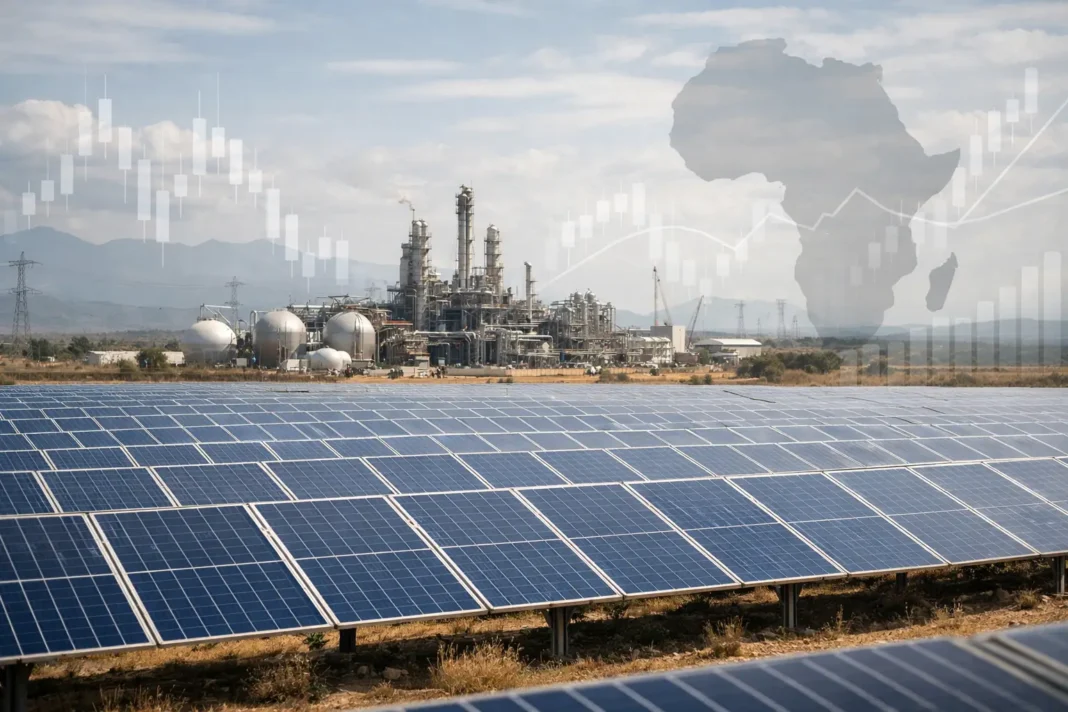

Strategic financing opportunity emerges as a result of divergent borrowing conditions internationally: dollar borrowing costs have risen while Chinese lending rates sit near historical lows. That gap, together with a visible thaw in relations between the United States and China, presents a practical opening for African governments to rethink how they structure energy investments and debt.
Under this approach, governments would align different partners with suitable technologies and commercial models. Collaboration with the United States on gas projects can support near‑term power needs and energy security, while engagement with China on solar and storage leverages large-scale manufacturing capacity and competitive financing for renewables. Blending these partnerships could allow countries to accelerate electrification and reduce reliance on expensive dollar borrowing for every component of their energy transition.
Financing is central to the opportunity. Accessing lower‑cost capital from Asian capital markets or regional lenders can lower project financing costs and extend maturities compared with dollar‑denominated debt. Using a mix of local‑currency and yuan or other regional funding instruments may reduce immediate interest burdens, though it also changes currency exposure and repayment profiles. Careful structuring, transparency and sound fiscal management will be required to align financing terms with project revenues and public debt sustainability.
If pursued prudently, this three‑track model—US gas for short‑term stability, Chinese‑backed renewables for long‑term clean capacity, and Asian financing to cut costs—could reshape energy portfolios across Africa. Implementation hinges on rigorous project selection, clear procurement standards and environmental and social safeguards. The choice of partners and financing vehicles will determine whether the window created by shifting global rates and improved bilateral ties turns into durable infrastructure and more affordable energy for citizens.






