HomeScienceSiberian Tomb Pushes Evidence of Cannabis Intoxication Back 2,800 Years

Siberian Tomb Pushes Evidence of Cannabis Intoxication Back 2,800 Years

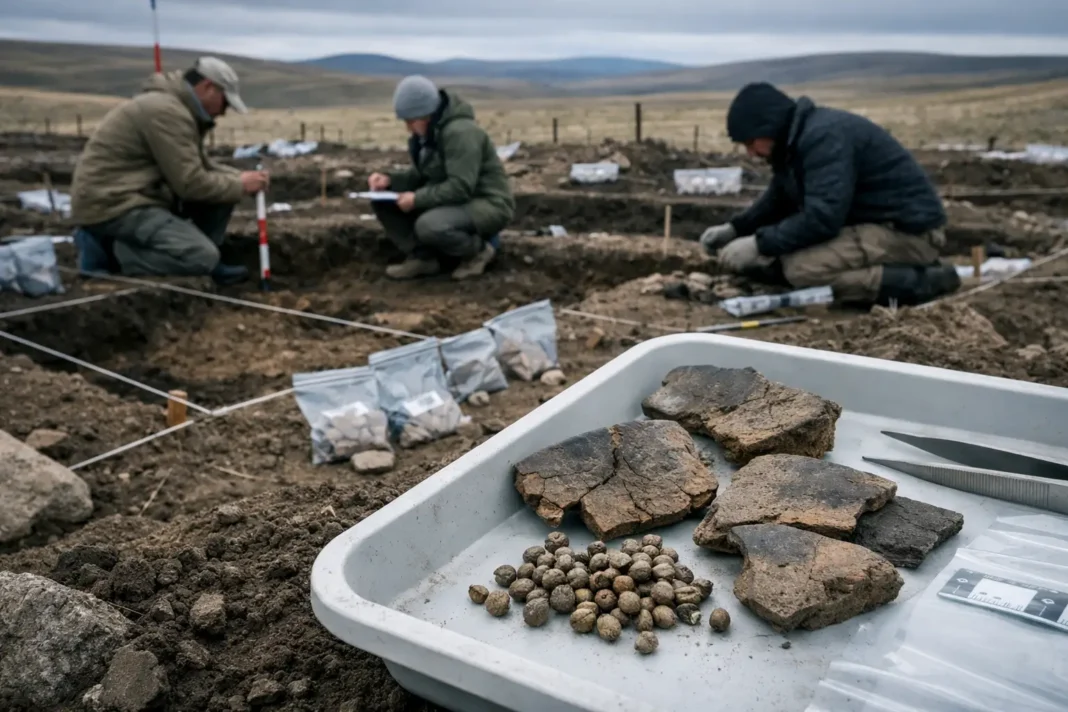
A monumental Siberian tomb has yielded the earliest known evidence that cannabis was used for its intoxicating properties, placing the practice about 2,800 years in the past. The discovery comes from the Tunnug burial mound in the Uyuk valley of southern Siberia, where archaeologists found both plant remains and chemical traces preserved in human hair. The findings, published in Science, add a new dimension to research on ancient funerary rites in Central Asia.

The mound contained four wooden burial structures at its center, with several log coffins and the skeletal remains of horses placed above them. This arrangement is consistent with elite Scythian funerary traditions, which could include the sacrifice of horses and humans. Inside the burial structures, researchers documented more than 1,000 whole seeds and roughly 500 fragments from Cannabis ruderalis, a wild cannabis plant. Radiocarbon dating placed the seeds between 800 and 760 B.C., making them older than previously identified evidence of cannabis use for intoxication in the region.

Hair recovered from the grave provided a second line of evidence. Laboratory analysis detected signals consistent with cannabinol and THC, psychoactive compounds associated with cannabis. The tests did not establish the quantity consumed or the precise method of use, but the combination of seeds and molecular traces indicates that the plant was not merely present by chance. Gino Caspari, an archaeologist at the Max Planck Institute of Geoanthropology in Jena, linked the material from the same grave to intentional use of the plant’s intoxicating properties.

The burial context is central to the interpretation. Cannabis had already been cultivated in parts of Asia for fiber, textiles and oilseed use long before this tomb was built, but the point at which communities recognized and used its psychoactive effects has remained difficult to define. Ancient written testimony from Herodotus described Scythian groups inhaling fumes from burning hemp seeds in the fifth century B.C., while earlier archaeological evidence from China dated to around 500 B.C. The Tunnug finds move the archaeological timeline back by about three centuries and connect the practice to a high-status mortuary setting.

The researchers also note a possible ritual function tied to the darker aspects of the burial. Because the tomb included extensive horse sacrifices and may also have involved human sacrifice, cannabis could have been used to calm people incorporated into the ceremony. That interpretation remains tied to the archaeological context rather than to direct proof of intent. Further work is already under way, including sequencing of plant samples, with the aim of clarifying how ancient cannabis varieties were domesticated and dispersed across Central Asia.


Advertisementspot_imgspot_img

Hot this week

Celebrity Traitors Finale Crowns a Breakout Reality TV Moment

Celebrity Traitors ends its second series after drawing 15 million viewers, underscoring the strength of reality competition TV.

Hearts Pay for Their Own Mistakes in Conference League Setback at Thun

Depleted Hearts suffered a 3-1 Conference League defeat away to Thun, with their problems in Switzerland largely self-inflicted.

Vance’s Iran War Critique Exposes a Rare Rift Inside Trump’s Republican Party

JD Vance’s criticism after a Republican election defeat highlights tensions over the Iran war and Trump’s political leadership.

Forgotten Neutrino Revives a Central Question About Why the Universe Exists

Scientists suggest a long-overlooked neutrino may help explain why matter survived after the Big Bang and left gravitational-wave traces.

New A&E Alert System Aims to Spot Children at Risk Sooner

England's A&E units will use a warning system to help staff identify sick children whose condition worsens while they wait for care.

Why Bedtime Cravings Happen — and How to Break the Pattern

Late-night cravings often have biological roots. Better sleep, balanced meals and routine changes can help reduce bedtime snacking.

Salary transparency moves to the centre of hiring rules

Employers are being pushed to include pay details in job adverts before a new law aimed at improving transparency and reducing discrimination.

Tech Stocks Slide as U.S. Midterms Intensify AI Oversight Concerns

Global technology shares fell as U.S. midterm uncertainty raised concerns over tougher scrutiny of data centres and AI growth.

Cristiano Ronaldo Leaves Portugal After Redefining a Football Nation

Cristiano Ronaldo retires from Portugal duty, ending an international career that reshaped the country’s place in world football.

Russell Brand Convicted of Rape and Sexual Assault as Further Allegations Emerge

Russell Brand has been found guilty of rape and sexual assault and warned to expect a prison sentence of some length.

Russell Brand Conviction Puts Consent at the Centre of a High-Profile Court Ruling

Russell Brand has been convicted of rape and sexual assault in a case that reinforces the legal meaning of consent.

Hearts Pay for Their Own Mistakes in Conference League Setback at Thun

Depleted Hearts suffered a 3-1 Conference League defeat away to Thun, with their problems in Switzerland largely self-inflicted.

U2 at 50: New Music, Old Bonds and a Harder Political Climate

U2 mark five decades together with Carnaval de Luz, reflecting on band democracy, politics, Dolly Parton and Bono’s memories of Nice.
Advertisementspot_img

Related Articles
