
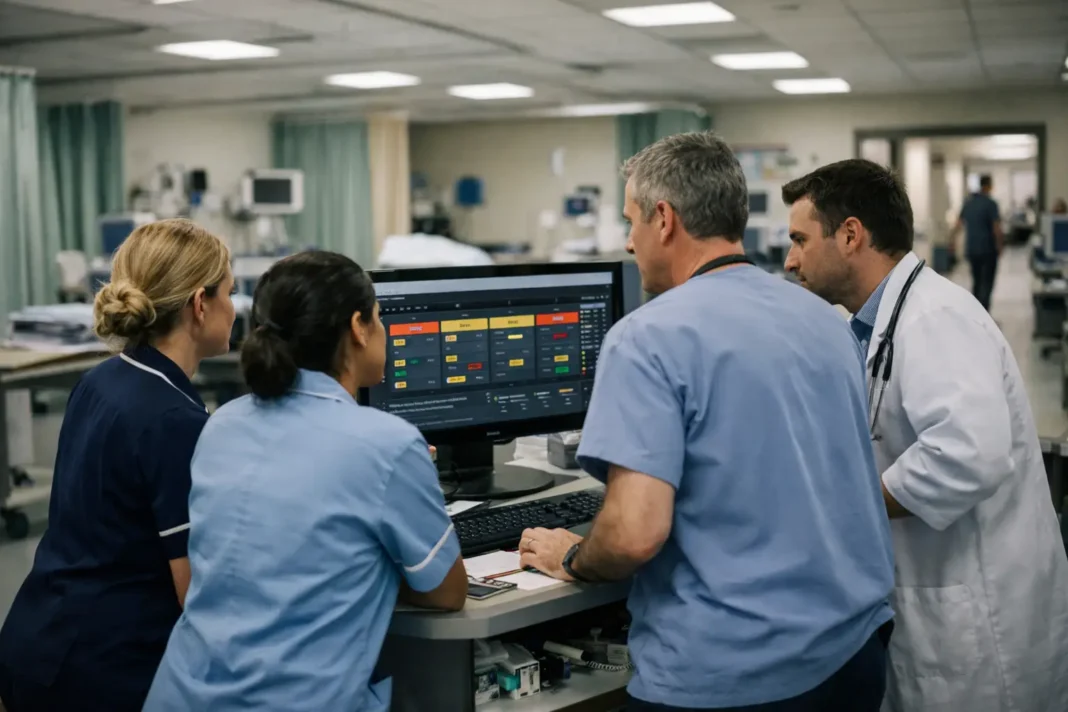

A new emergency alert system is being introduced in accident and emergency departments in England to help staff identify sick children whose condition is worsening while they wait to be seen. The initiative is designed for busy hospital settings, where pressure on teams can make it harder to detect subtle but important changes in a child’s state before full treatment begins.
The system will support clinical teams in emergency care by flagging children who may be deteriorating quickly during the waiting period. In A&E, children can present with symptoms that change rapidly, and early recognition is central to safe care. The aim is not to replace doctors, nurses or triage decisions, but to create a clearer warning mechanism that prompts timely reassessment when a child appears at greater risk.
The measure is significant because emergency departments often manage large numbers of patients with varying levels of urgency. For children, clinical deterioration can be difficult to interpret, particularly when initial symptoms seem common or non-specific. A structured alert process can give staff a shared reference point and help reduce the chance that a worsening condition is missed amid competing demands. It also strengthens the link between initial assessment, observation and escalation.
NHS England, the body responsible for national health service planning in England, has placed increasing emphasis on patient safety and early escalation across hospital care. More information on national health services is available through NHS England. In practice, the effectiveness of such a system will depend on how reliably it is used in departments and how well it fits with existing clinical workflows, staffing pressures and local procedures.
For families arriving at A&E with an unwell child, the initiative addresses a particularly anxious stage of care: the period between arrival and treatment. By helping staff notice signs of rapid decline sooner, the warning system is intended to add another layer of protection within child health services, while keeping clinical judgment at the centre of emergency decision-making.






