HomeEconomyThe strength of the shekel

The strength of the shekel

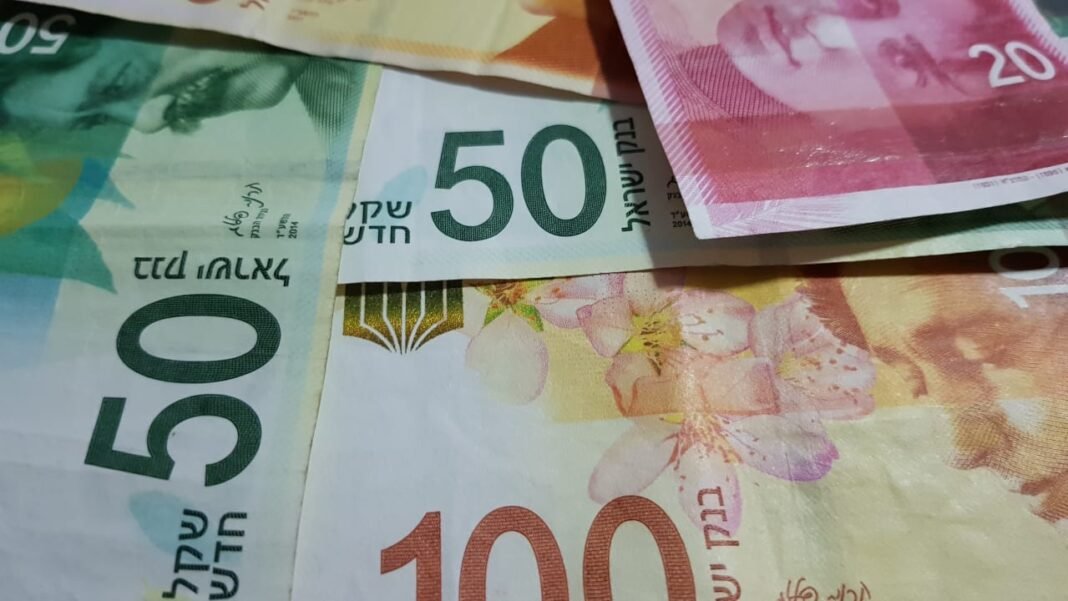
In a previous column, I wrote at length about the resilience and strength of the Israeli economy, which delivered impressive performance even during two years of difficult, multi-front war. Israel is considered a developed economy, yet its growth resembles that of an emerging market, and is certainly stronger than that of many Western economies. That alone is a rare distinction. This article focuses on the shekel, Israel’s currency, which has not too long ago been described as “the strongest currency in the world.” In recent years, it has responded powerfully to Israel’s economic growth. 

As of this writing, the shekel is trading at just over NIS 3 to the dollar. For reference, on the eve of the war in October 2023, the dollar hovered around NIS 3.8. This is no coincidence. The shekel did not strengthen against the dollar by chance. It did so because it represents a strong and resilient economy, one that remained robust even through two complex years of war. The currency’s appreciation reflects the solid fundamentals underpinning the Israeli economy today. Among the drivers of the shekel’s strength are investors purchasing shekels because of their confidence in Israel’s economy; multibillion-dollar defense contracts worldwide; and major natural gas export deals that bring substantial capital into Israel, much of which is converted into shekels, reinforcing the local currency. 

Massive investment in Israel’s high-tech sector has also injected significant dollar inflows into the economy. Those dollars are converted into shekels to cover local expenses and finance corporate activity, further bolstering the currency. Additional factors contribute to the shekel’s attractiveness, including interest rate differentials relative to markets outside Israel and foreign demand for Israeli real estate. These are coupled with realistic expectations that Israel’s growth will outpace that of the United States and Europe, a prospect that continues to draw investors. Is such resilience guaranteed forever? In economics, nothing is permanent. Yet the foundations of the Israeli economy – which weathered both the COVID-19 pandemic and a two-year war, remain strong. 

They support ongoing growth, rising stock market indices, and expansion in the real estate industry. Israel has demonstrated resilience in crises that few could have foreseen. However, it is crucial to remember that behind this consistent performance are the Israeli people: innovative, resilient, and deeply dedicated to their work – optimistic, passionate, disciplined and ambitious. With such human capital, there is strong reason to believe that Israel will continue to advance, introduce solutions globally, foster innovation, expand, and succeed. Consequently, the Israeli shekel is expected to remain an attractive currency for investors around the world.


Source:

www.jpost.com

Advertisementspot_imgspot_img

Hot this week

Bus strikes in London underline risks of working through extreme heat

Arriva bus drivers stage stoppages as soaring temperatures expose dangers for frontline workers and test workplace protections.

Root’s comeback as captain sparks clinical England bowling at Headingley

Joe Root's second stint as Test captain begins as England dismiss Pakistan for 171, led by five-wicket hauls from Robinson and Tongue.

Birmingham and Cardiff Step Up Midfield Interest as Clubs Reassess Ahead of New Campaign

Birmingham and Cardiff are targeting midfield reinforcements as both clubs prepare for the season and weigh sporting and financial priorities.

From Studio Peak to Hospital Ward: How James Ford Turned Illness into an Album

Producer James Ford, known for work with Arctic Monkeys and Klaxons, confronted leukaemia and created new music from his hospital bed.

Israel launches criminal probe after soldiers fired on car that carried child

Israeli military confirms soldiers fired at a vehicle carrying five-year-old Hind Rajab; a criminal investigation has been opened after her death with six relatives.

IBM unveils modular ultracold systems to scale fault‑tolerant quantum computing

IBM unveils modular ultracold cryogenic modules and superconducting links to connect quantum chips, aiming for fault‑tolerant machines by 2029.

A 17-year-old carer on missed milestones and hidden labour of youth care

A teenager's account highlights how unpaid caregiving in youth affects schooling, social life and future prospects.

Trump Warns of Severe Economic Penalties for Countries Aiding Iran

Donald Trump warned of 'tremendous economic consequences' for any country aiding Iran after a 60-day ceasefire expired, escalating diplomatic stakes.

Israel launches criminal probe after soldiers fired on car that carried child

Israeli military confirms soldiers fired at a vehicle carrying five-year-old Hind Rajab; a criminal investigation has been opened after her death with six relatives.

Heat Politics: Reform’s Message Forces a Choice Between Immediate Comfort and Long-Term Costs

Reform UK's deputy leader urged acceptance of recent heat, prompting debate on policy priorities amid wildfires, crop damage and emergency strain.

Root’s comeback as captain sparks clinical England bowling at Headingley

Joe Root's second stint as Test captain begins as England dismiss Pakistan for 171, led by five-wicket hauls from Robinson and Tongue.

Edinburgh Fringe Embraces Explicit Comedy as Performers Push Boundaries

At the Edinburgh Fringe a wave of explicit comedy—from Julian Clary to street typists—questions conventions and draws engaged, often startled audiences.

How Honeybees Balance Their Larvae’s Diet: A Hidden Nutritional Strategy

Research shows honeybees detect nutrient imbalances in pollen and process it into well-balanced provisions for their larvae.
Advertisementspot_img

Related Articles

