
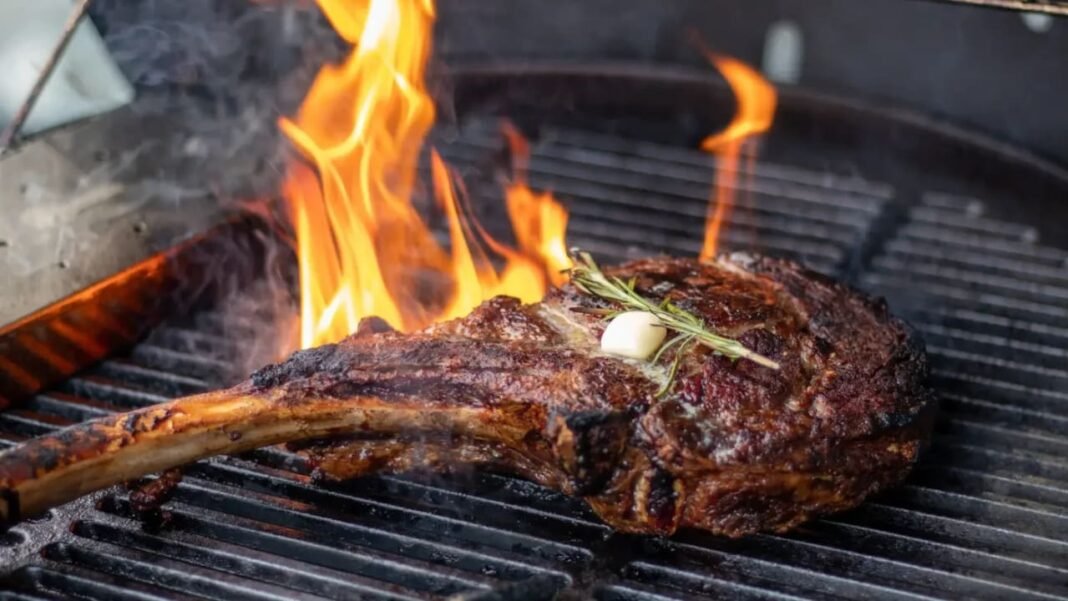

For those who managed to survive the Passover and Mimouna celebrations without adding 2–3 kg to their weight – an equally big challenge awaits: Independence Day. The barbecues that start in the evening and sometimes continue all day include meats, pitas, hummus, fries, sugary drinks and beer – and the eating is almost nonstop.
But what is more important to know is that the barbecue itself is considered a less healthy cooking method. But quite a lot can be done about it. Here is everything you need to know:
Formation of carcinogenic substances (HCA and PAH)When meat is exposed to very high heat, especially over hot coals, substances called HCA (heterocyclic amines) and PAH (polycyclic aromatic hydrocarbons) are formed. These substances are created from a combination of proteins, creatine and fat at high temperatures.
Studies published in the Journal of the National Cancer Institute have found a link between high consumption of well-done grilled meat and an increased risk of certain types of cancer, especially in the digestive system.
Fat dripping and formation of toxic smokeWhen fat drips from the meat onto the coals – it burns and creates smoke that also contains the PAH substance. This smoke rises back up and is absorbed into the meat. That is, not only the heat itself is problematic – the smoke coming “from below” also contributes to exposure to harmful substances.
Charring (the black part)The burned parts of the meat are actually areas where extreme chemical breakdown has occurred. The darker the meat – the higher the concentration of unwanted substances. There is no “a little charred is okay” here – even small amounts accumulate over time.
Very high temperatureQuick grilling at high temperature creates more harmful substances compared to slow cooking or baking.
Or in summary – the problem is not necessarily the meat itself – but the method of preparation.
The nutritional value of grilled meat
Even as a vegetarian it is important to explain that meat/chicken/fish are also an excellent source of protein, iron, zinc and B12. There are differences between the various types of what we put on the grill, here are examples:
Beef
Sirloin: A relatively lean cut. About 180–220 calories per 100 grams, moderate fat, cholesterol around 70–80 mg. A relatively good choice for those who want red meat with less fat.
Entrecote: One of the fattiest cuts. About 250–300 calories per 100 grams, with a very high fat percentage (sometimes over 20%). An average steak contains at least 250 grams, meaning at least 750 calories on its own not including salads, pitas, drinks, etc. In terms of cholesterol similar to sirloin – about 75–90 mg cholesterol.
Fillet: Also a relatively lean cut, about 150–180 calories per 100 grams, little fat, relatively low cholesterol (about 65–75 mg cholesterol), usually the lowest in beef. A preferable choice for those looking for high-quality meat with less fat load.
Ribs: Very high fat percentage. About 300 calories and even more per 100 grams, with a significant fat percentage and high cholesterol. Here too – the flavor comes from the fat.
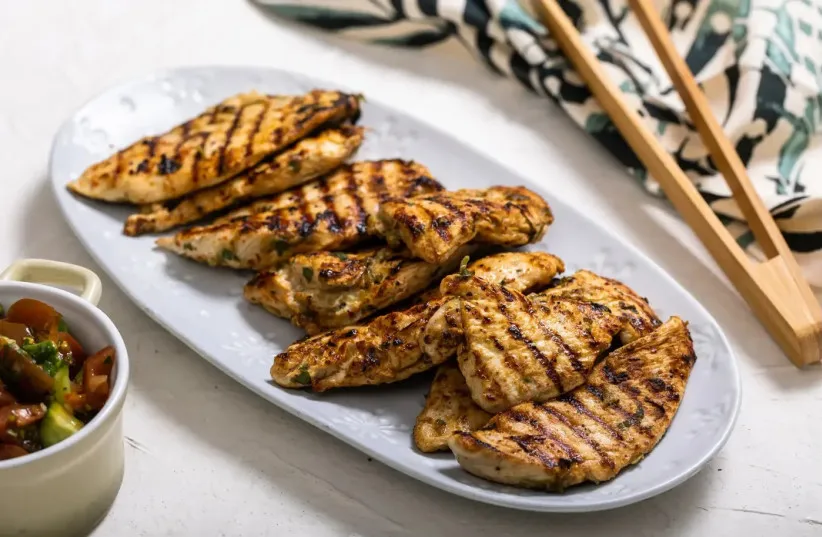
ChickenChicken breast: The leanest choice. About 120–150 calories per 100 grams, almost no fat, relatively low cholesterol (about 60–65 mg cholesterol). Very suitable for those looking for a more dietary and healthier option.
Wings: Much higher fat. Wings with skin (grilled/fried) about 18%–25% fat and it can be even higher, depending on the amount of skin and the cooking method. About 200–250 calories per 100 grams, with skin that contains saturated fat. About 90–110 mg cholesterol per 100 grams (grilled/cooked).
The problem – it is very easy to eat more than intended. If in 100 grams edible portion there are about 200–250 calories, then: One wing ≈ 80–150 calories, and if you eat 5–8 wings without noticing, you actually reach 400–800 calories easily.
Chicken thigh skewers: Darker meat, juicier – and also fattier. About 200–230 calories per 100 grams, medium–high fat, medium cholesterol. A common and relatively recommended choice for those on a diet for weight loss or maintenance. An average skewer contains about 150 calories.
Processed productsIt is important to mention that many studies, including the World Health Organization, link consumption of processed meat to an increased risk of cancer. Here are just some of the harms:
Sausages: About 250–300 calories per 100 grams, meaning at least 100 calories per one sausage, with a very high fat percentage, high cholesterol. In addition: High amounts of salt, nitrites and preservatives.
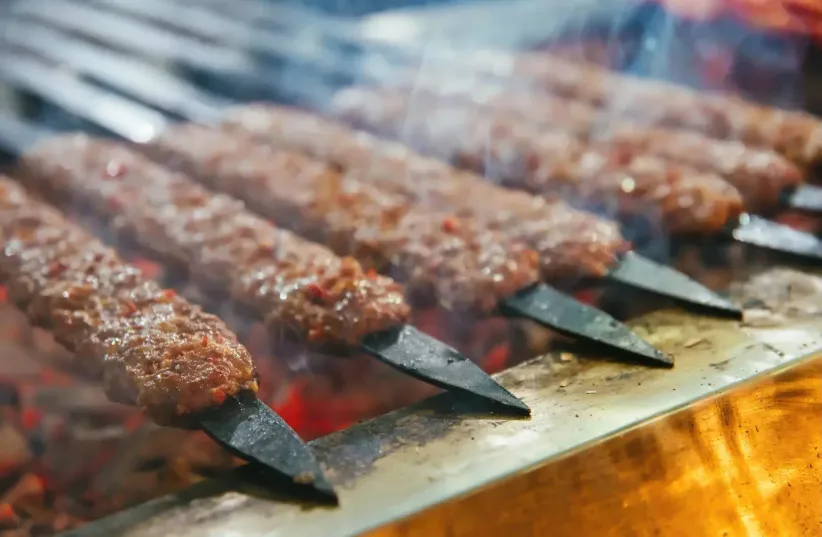
Kebab: Depends on the composition – but usually includes a fat mixture, therefore about 250 calories per 100 grams and even more, high fat, high cholesterol. Sometimes also added salt and spices in high amounts.
So what can be done to reduce damage
You do not have to give up the barbecue – but it is worth being smarter. Here are some tips:
• Marinate the meat before grilling – studies show a significant reduction in the formation of HCA, especially when there are ingredients like lemon, garlic or herbs.
• Grill only over gray coals, not over an open flame – this reduces the extreme temperature and the formation of harmful substances.
• Turn the meat frequently – less direct exposure time to high heat = fewer carcinogenic substances.
• Remove charred parts – do not eat the “black”.
• Prefer lean and fresh meats – less fat = less dripping and less harmful smoke.
• Add vegetable skewers and salads – antioxidants (such as vitamin C and polyphenols) may reduce some of the oxidative damage.
• If choosing sausages – if it is a portion given to children, then there is a clear preference for plant-based sausages.
Source:
www.jpost.com




