HomeEconomyDOJ probing Iran's use of Binance crypto-exchange to avoid US sanctions

DOJ probing Iran's use of Binance crypto-exchange to avoid US sanctions

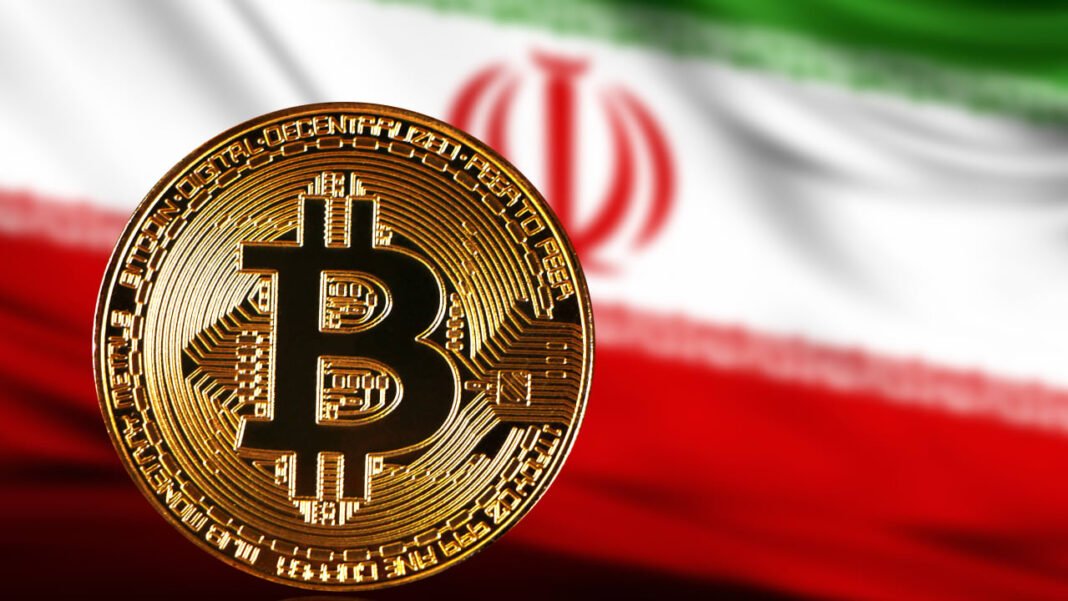
The US Justice Department is investigating whether Iran used the cryptocurrency exchange Binance to evade American sanctions, according to a Wednesday report from The Wall Street Journal.  According to the report, investigators are examining whether digital transfers moving through the platform helped channel funds linked to Iranian networks and proxy groups.

The Wall Street Journal reported that the probe follows an internal Binance investigation into suspicious transactions that allegedly identified more than $1 billion in flows connected to a network funding Iran-backed terrorist groups.

The report also said it could not determine whether US authorities are investigating Binance itself, specific users on the platform, or both.

Binance has denied directly transacting with sanctioned entities and said it worked with law enforcement while shutting down suspicious activity. The Wall Street Journal reported that Binance later concluded a smaller amount, about $24 million, had entered wallets associated with Iran’s Islamic Revolutionary Guard Corps.

The reported probe adds to broader scrutiny of cryptocurrency’s role in Iran’s sanctions-evasion system. A Reuters report in early February said US authorities were examining whether crypto platforms helped Iranian officials move money abroad, access hard currency, or procure goods outside the formal banking system.

That scrutiny intensified later in the month, with a New York Times report saying Iranians were able to access more than 1,500 Binance accounts last year and that $1.7 billion was transferred from two of them to terrorist proxies, citing company records and documents gathered by internal investigators.

Binance sued the Wall Street Journal and its parent company, Dow Jones, on Wednesday, alleging that the published report was defamatory, Reuters reported. “We stand by our reporting,” a WSJ spokesperson said.

A report by The Jerusalem Post in February also revealed how Iran’s crypto network has already helped shield the regime from Western sanctions, with experts assessing that digital assets tied to oil sales and regional laundering routes were used to support proxy groups in Gaza, Lebanon, and Yemen.

The broader trend extends beyond exchange activity alone. A January 2026 report said Iran’s Defense Ministry export body had openly offered cryptocurrency payments for military contracts, presenting digital assets as another tool for bypassing sanctions pressure on arms-related transactions.


Source:

www.jpost.com

Advertisementspot_imgspot_img

Hot this week

Surgeon: Fewer Eye Injury Patients After Solar Eclipse Than in 1999

An eye surgeon says fewer people sought treatment for eclipse-related eye damage than after the UK's 1999 total solar eclipse.

Three Clear Ways AI Is Reshaping Work, Health and Security

AI is transforming labor markets, healthcare delivery and geopolitical dynamics, prompting regulation and new institutional responses worldwide.

Edinburgh Fringe Embraces Explicit Comedy as Performers Push Boundaries

At the Edinburgh Fringe a wave of explicit comedy—from Julian Clary to street typists—questions conventions and draws engaged, often startled audiences.

Root’s comeback as captain sparks clinical England bowling at Headingley

Joe Root's second stint as Test captain begins as England dismiss Pakistan for 171, led by five-wicket hauls from Robinson and Tongue.

How Policymakers Should Address Asia’s Undervalued Currencies

Policy options for managing undervalued Asian currencies include gradual appreciation, reforms and multilateral coordination to reduce trade tensions.

IBM unveils modular ultracold systems to scale fault‑tolerant quantum computing

IBM unveils modular ultracold cryogenic modules and superconducting links to connect quantum chips, aiming for fault‑tolerant machines by 2029.

A 17-year-old carer on missed milestones and hidden labour of youth care

A teenager's account highlights how unpaid caregiving in youth affects schooling, social life and future prospects.

Trump Warns of Severe Economic Penalties for Countries Aiding Iran

Donald Trump warned of 'tremendous economic consequences' for any country aiding Iran after a 60-day ceasefire expired, escalating diplomatic stakes.

Israel launches criminal probe after soldiers fired on car that carried child

Israeli military confirms soldiers fired at a vehicle carrying five-year-old Hind Rajab; a criminal investigation has been opened after her death with six relatives.

Heat Politics: Reform’s Message Forces a Choice Between Immediate Comfort and Long-Term Costs

Reform UK's deputy leader urged acceptance of recent heat, prompting debate on policy priorities amid wildfires, crop damage and emergency strain.

Root’s comeback as captain sparks clinical England bowling at Headingley

Joe Root's second stint as Test captain begins as England dismiss Pakistan for 171, led by five-wicket hauls from Robinson and Tongue.

Edinburgh Fringe Embraces Explicit Comedy as Performers Push Boundaries

At the Edinburgh Fringe a wave of explicit comedy—from Julian Clary to street typists—questions conventions and draws engaged, often startled audiences.

How Honeybees Balance Their Larvae’s Diet: A Hidden Nutritional Strategy

Research shows honeybees detect nutrient imbalances in pollen and process it into well-balanced provisions for their larvae.
Advertisementspot_img

Related Articles

