
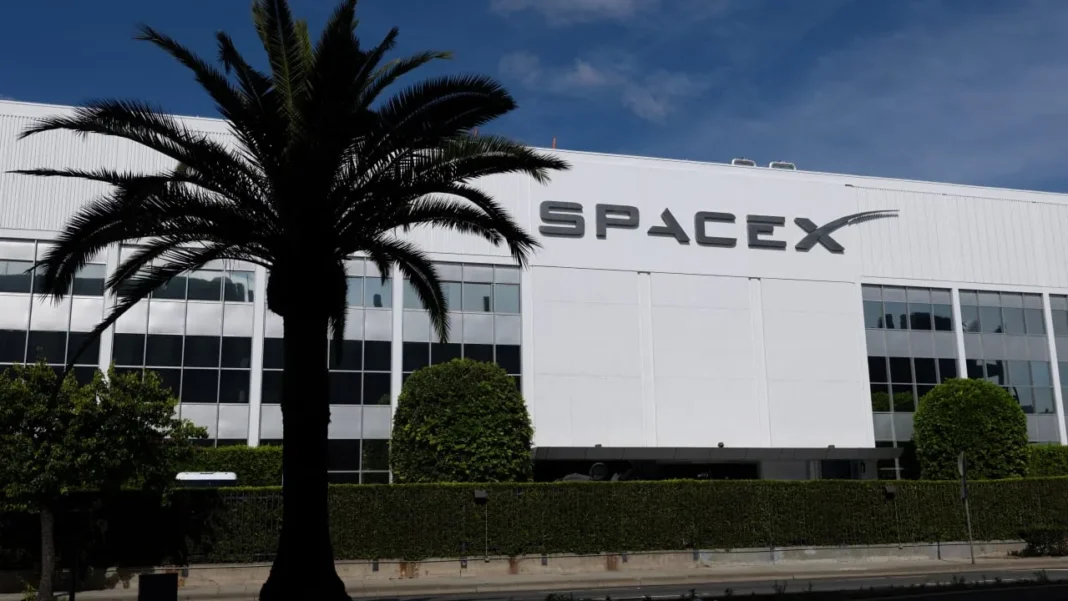

The multiple investigations into xAI’s creation and dissemination of sexually abusive imagery may lead the company to lose access to certain markets, parent company SpaceX warned in a prospectus reviewed by Reuters.
In a section on risk factors, the S-1 regulatory filing said a number of agencies around the world were “actively investigating and making inquiries relating to social media or the use of AI” in relation to advertising, consumer protection, and the distribution of harmful content, among other matters.
The news comes after SpaceX hosted analysts at its Colossus supercomputer in Memphis, Tennessee, on Thursday, gearing up for its $1.75 trillion IPO expected this summer. US securities law requires companies to disclose such risk factors, alerting investors to potential pitfalls while also helping protect companies against future legal liability. The disclosures do not necessarily mean each listed outcome is expected to occur.
One challenge SpaceX highlighted was that it faced “allegations that our AI products were used to create nonconsensual explicit images or content representing children in sexualized contexts,” the S-1 document said. Such regulatory inquiries could expose SpaceX to lawsuits, liability, and government action – “including loss of access to certain markets, which has occurred in the past,” the document stated.
SpaceX and xAI did not immediately respond to requests for comment. It was not clear whether potential regulatory action could prevent SpaceX as a whole from accessing certain markets or just its subsidiary, xAI, specifically.
Worldwide scrutiny over Grok’s AI-generated images
Though the regulatory filing’s risk factors gave as an example a probe launched by the Irish Data Protection Commission in February, xAI has faced scrutiny worldwide over an explosion of sexualized images. The content, which was particularly visible in late 2025 and early 2026, featured images of nearly naked women and children on X/Twitter, the company’s social media platform.
XAI said in January that it had added measures to block user requests for sexualized images of real people, and it said it stops users from generating such content in jurisdictions where that is illegal.
The images – which were generated by xAI’s in-house chatbot, Grok – had shown women and sometimes minors in revealing bikinis or underwear, or edited into degrading or gruesome poses.
The pictures caused widespread alarm around the world; one group of researchers estimated there were about 3 million sexualized images, while US lawmakers demanded that Google owner Alphabet and Apple yank Grok and X from their app stores.
SpaceX CEO Elon Musk said around that time that he knew of “literally zero” naked underage images made by Grok.
A variety of investigations – launched earlier in Canada, Britain, Brazil, California, and elsewhere – are ongoing. In France, for example, Musk on Monday flouted a legal summons to answer questions from prosecutors concerning allegations of algorithmic abuse, fraudulent data extraction, and complicity in the distribution of child sexual abuse material.
The S-1 warning around market access illustrates the stakes of the various investigations into xAI, especially those around the AI generation of alleged child sexual abuse images and nonconsensual sexual images of women. Creation of such imagery can be a crime in some jurisdictions, and its dissemination is an emotive issue that can rapidly mobilize public opinion.
XAI’s curbs on Grok appear to have slowed but not stopped the flow of abusive material. In February, Reuters reported that Grok was generating sexualized imagery of people even when users explicitly warned the chatbot that the subjects of those images did not consent. Last week, NBC News found that Grok was still publicly generating sexualized images, including of actors and pop stars.
X has been banned before in various jurisdictions, including in 2024 in Brazil, where the site was blocked following its refusal to comply with a judge’s order. The company later relented, and the ban was lifted.
SpaceX would get enhanced protection from Texas laws, filing says
Meanwhile, SpaceX will count on the enhanced protection of Texas law to potentially fend off any hostile bidder or activist investor pushing for changes at the company, according to a regulatory filing seen by Reuters.
SpaceX is preparing for what could be the largest initial public offering in history and could take space exploration from a speculative venture to a mainstream investment.
“Some provisions of Texas law, and our charter and our bylaws contain provisions that could make the following transactions more difficult: acquisitions of us by means of a tender offer, a proxy contest or otherwise, or removal of our incumbent officers and directors,” SpaceX said in its S-1 filing, which was seen by Reuters.
The anti-takeover statute under Texas law is “expected to discourage coercive takeover practices and inadequate takeover bids,” the filing added.
Instead, anyone who might want to make a play for SpaceX, the filing said, would need to “first negotiate with us.”
The provisions could calm investors’ nerves at a time when companies face pressure from activist shareholders who often launch campaigns for change by threatening to unseat directors in a proxy fight.
During the first quarter of 2026, activist investors launched 41 campaigns at US companies, marking an increase of 3% from the previous year, according to Barclays data. Activists targeted technology and industrial companies most frequently.
For SpaceX, which manufactures its Starship rockets in Starbase, Texas, it makes geographic sense to select the state as its corporate home instead of picking Delaware, where the majority of Fortune 500 companies are incorporated, lawyers and analysts said.
But Musk also had personal reasons to favor Texas. Two years ago, automaker Tesla, which he leads as chief executive officer, reincorporated in Texas after a Delaware court voided his $56 billion pay package. The Delaware Supreme Court later reversed the lower court’s decision, reinstating the compensation package.
By selecting Texas, SpaceX may hope to consolidate power for its board and weaken its shareholders’ hand, lawyers and analysts said.
They note that Texas laws would allow the company to ban many lawsuits and restrict many shareholder proposals. Corporate governance experts have warned that restricting shareholder proposals could make investments in US companies less attractive.
Proxy advisory firms like Institutional Shareholder Services and Glass Lewis, whose recommendations often guide how investors vote on issues such as who sits on boards or on planned takeovers, may also have to make public disclosures if they base their recommendations on “nonfinancial factors,” including environmental, social, or governance issues.
Source:
www.jpost.com




