
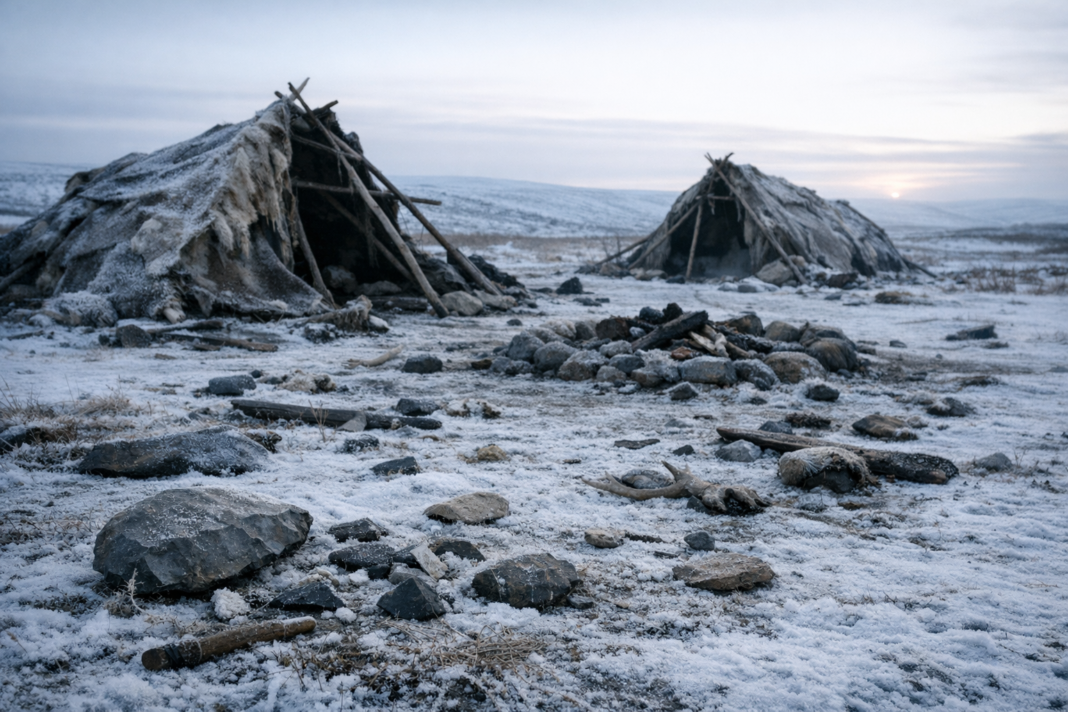

Ancient DNA shows that plague affected mobile human groups long before urban epidemics: remains from Siberian burial sites dated to about 5,500 years ago carry genetic traces of Yersinia pestis, the bacterium associated with historic pandemics. The material suggests whole family groups were struck down in the prehistoric period, offering a new perspective on how the pathogen circulated among non-urban populations.
Archaeogenetic analyses recovered pathogen sequences from human remains in what is now Siberia, revealing infection in individuals who were buried together. The clustering of infected skeletons in single funerary contexts points to outbreaks that could rapidly affect close-knit units such as household or kin groups among hunter-gatherers. The genetic signatures allow researchers to place the presence of the plague bacterium many centuries earlier than previously documented large-scale epidemics.
Crucially, the prehistoric strains appear to differ from the flea-adapted lineages responsible for later medieval pandemics. These early versions of the pathogen carried genetic elements that, according to the study, may have prompted intense inflammatory responses in infected people. That pattern implies severe disease could arise even in the absence of the flea-mediated transmission that characterizes the Black Death era. The finding refines timelines for the evolution of transmissibility and virulence within the species and underscores that multiple biological configurations of the bacterium have affected humans across millennia.
The discovery reshapes understanding of ancient disease dynamics and raises questions about demographic impacts on small, mobile populations. If outbreaks periodically wiped out family groups, they could have influenced population structure, migration and social organization in prehistory. Researchers say broader sampling and further genomic work are required to map how early strains spread, how often they re-emerged, and when the flea-adapted mechanisms became dominant. The evidence from Siberia therefore opens a new chapter in the study of human–pathogen interactions long before the rise of cities and mass pandemics.







