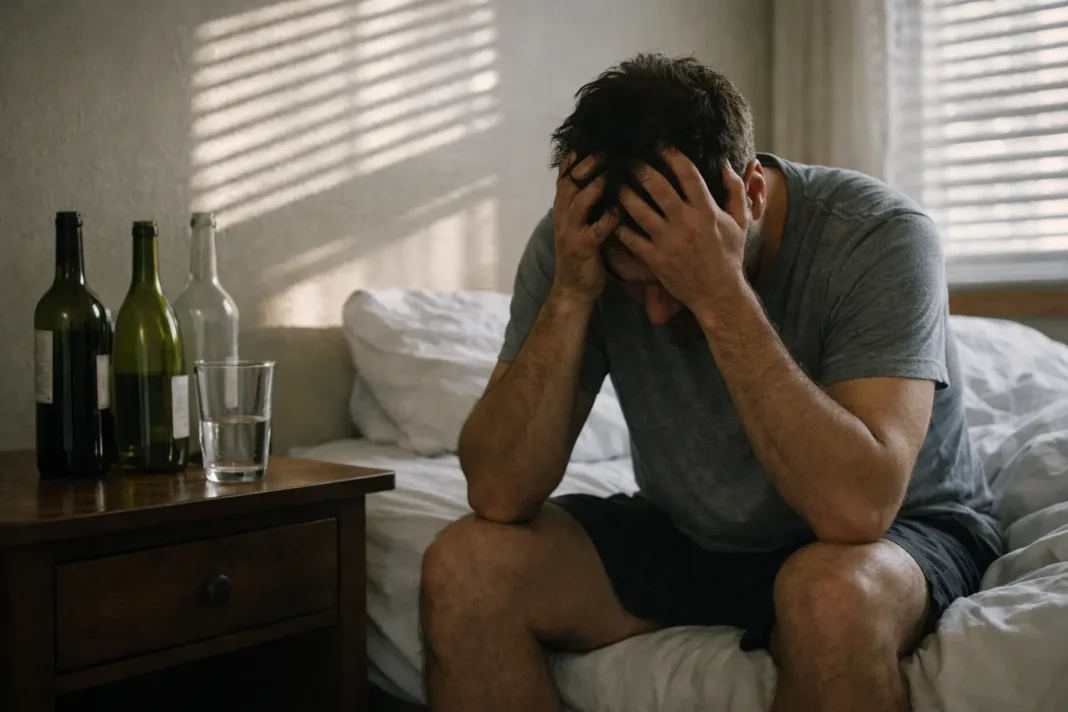

Lingering post-drink unease is a common experience for many people who wake up feeling more anxious than usual after a night of drinking. The informal label “hang‑xiety” has entered everyday language to describe that jittery, worried state that can accompany a hangover. Clinicians and researchers point to a mix of bodily responses and psychological factors that together increase the likelihood of heightened anxiety in the hours after alcohol consumption.
On the physiological side, alcohol alters brain chemistry during and after intoxication. Changes in inhibitory and excitatory neurotransmitter systems can lead to a rebound effect as the body normalises, while disturbed sleep architecture and low blood sugar after drinking both undermine emotional regulation. Dehydration and immune activation are also implicated; inflammatory signals released in response to alcohol can affect mood and cognitive clarity, making worry feel harder to contain.
Contextual and psychological contributors matter too. People who anticipate negative consequences from their evening — embarrassment, missed responsibilities or health worries — may be primed to interpret bodily sensations as threats, magnifying anxious thoughts the next day. Caffeine or other stimulants used to mask tiredness can compound restlessness, and patterns of heavy or frequent drinking increase the chance that these episodes become recurring rather than isolated.
For most, practical measures such as moderating intake, prioritising sleep and rehydration, and avoiding excessive stimulant use can reduce the risk of hang‑related anxiety. If feelings of anxiety are intense, persistent or interfere with daily functioning, people should consult a health professional; resources on alcohol and mental health are available from organisations such as NHS. Understanding the interplay of biology and behaviour helps separate temporary aftereffects from underlying anxiety disorders that may need broader treatment.