
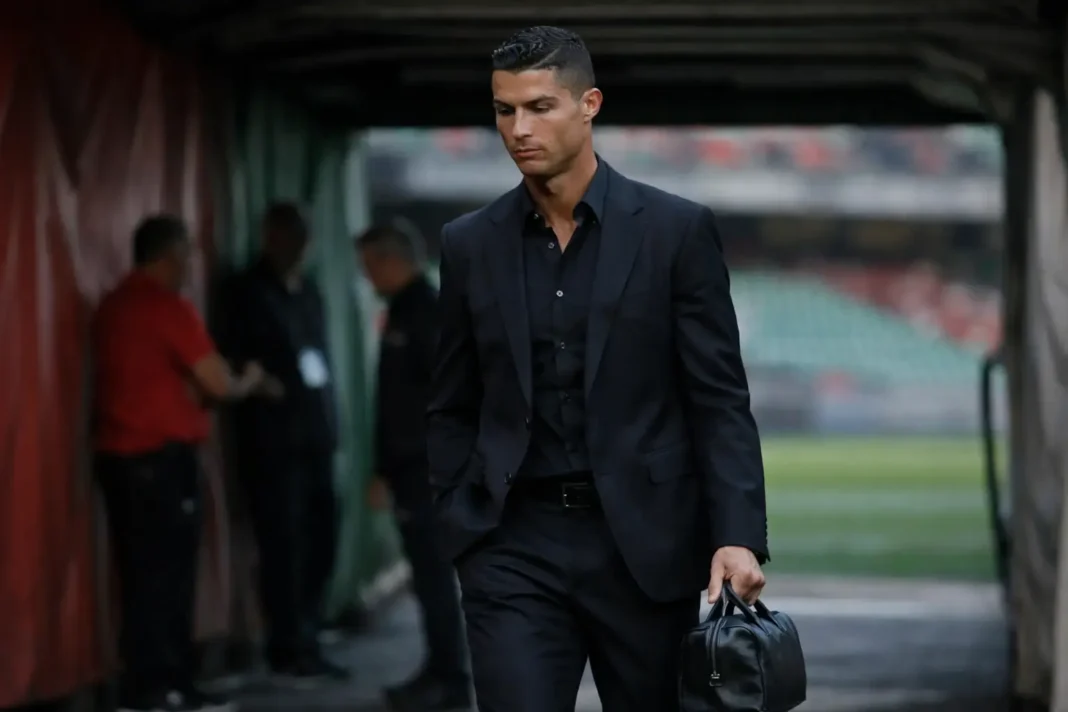

Cristiano Ronaldo’s farewell from international football closes one of the most consequential chapters in the modern game. His retirement from Portugal duty ends a career that stretched from promise to dominance, and from individual brilliance to national transformation. For more than two decades, Cristiano Ronaldo was not only the face of the Portuguese team but the central reference point through which its ambitions were measured.
The scale of his impact is visible in records, trophies and expectation. Ronaldo became the leading figure in men’s international scoring and appearance records, while Portugal moved from a talented but often frustrated side into a team capable of winning major honours. The Euro 2016 triumph, delivered after years of near misses, changed the country’s football identity. The 2019 Nations League title added further weight to an era in which Portugal no longer arrived at tournaments as outsiders with individual stars, but as a side expected to compete deep into the competition.
That shift also reshaped the environment around Portuguese football. Ronaldo’s rise coincided with the growth of a generation that treated elite standards as a baseline rather than an aspiration. His presence brought global visibility to the national team and intensified scrutiny of every selection, every tactical adjustment and every tournament exit. The Portuguese Football Federation now faces the task of managing a transition that is sporting, symbolic and commercial at the same time.
For Portugal, the immediate consequence is the removal of a player whose role was never limited to goals. Ronaldo’s status affected opponents, supporters and teammates, and his leadership helped define the team’s public image. The next phase will test how securely the structures built during his era can stand without him. Portugal has produced a broad group of technically accomplished players, but the end of Ronaldo’s international career changes the emotional centre of the side as much as its attacking options.
Ronaldo leaves the international stage with a legacy that extends beyond statistics. He turned consistency into a national standard and helped convert Portugal’s footballing self-image from admiration into expectation. The ending may feel stark for an icon whose career was built on refusing decline, but the measure of his contribution is already fixed: Portugal’s modern football history cannot be told without him at its centre.






