
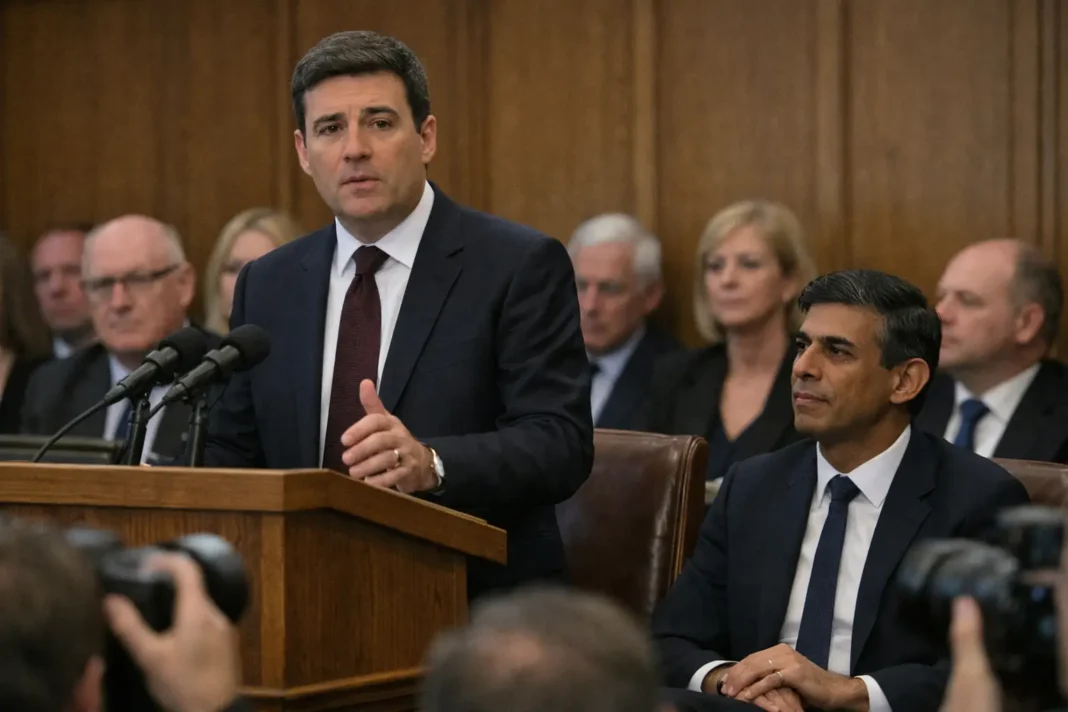

Britain’s slavery debate has returned to the centre of political discussion after Burnham signalled openness to calls for a formal apology over the country’s role in the transatlantic slave trade, while the prime minister insisted that financial reparations are not the appropriate response. The position draws a line between acknowledgement of historic wrongdoing and material compensation, a distinction that continues to shape public debate in the United Kingdom.
The prime minister said Britain must "face up to the past" over its involvement in the trade in enslaved Africans, but described reparations as "not the right answer". That formulation recognises the lasting moral weight of the issue while keeping government policy away from financial settlement. The UK Government has faced recurring pressure to engage more directly with the legacy of slavery, particularly in relation to education, remembrance and diplomatic relations with countries whose histories were shaped by British colonial rule.
Burnham’s openness to an apology reflects a wider shift in British politics, where symbolic acts of recognition are increasingly debated alongside questions of institutional responsibility. A formal apology would not itself create a compensation scheme, but it would carry political significance. For campaigners, acknowledgement is often seen as a first step in addressing the consequences of the slave trade; for governments, it raises complex questions about legal liability, public finances and the scope of historical accountability.
The issue also has an international dimension. Several Caribbean governments and regional institutions have kept reparatory justice on the diplomatic agenda, arguing that the effects of slavery and colonial exploitation remain visible in economic and social inequalities. In Britain, the conversation has increasingly moved beyond whether the past should be remembered to how it should be addressed in public policy, museums, schools and official commemorations.
For now, the political message is one of acknowledgement without compensation. The prime minister’s rejection of reparations narrows the immediate policy options, but it does not end the debate over apology, historical education or the responsibilities of public institutions. The renewed focus on Britain’s role in the transatlantic slave trade ensures that the question will remain part of the country’s broader reckoning with empire, memory and national identity.






