
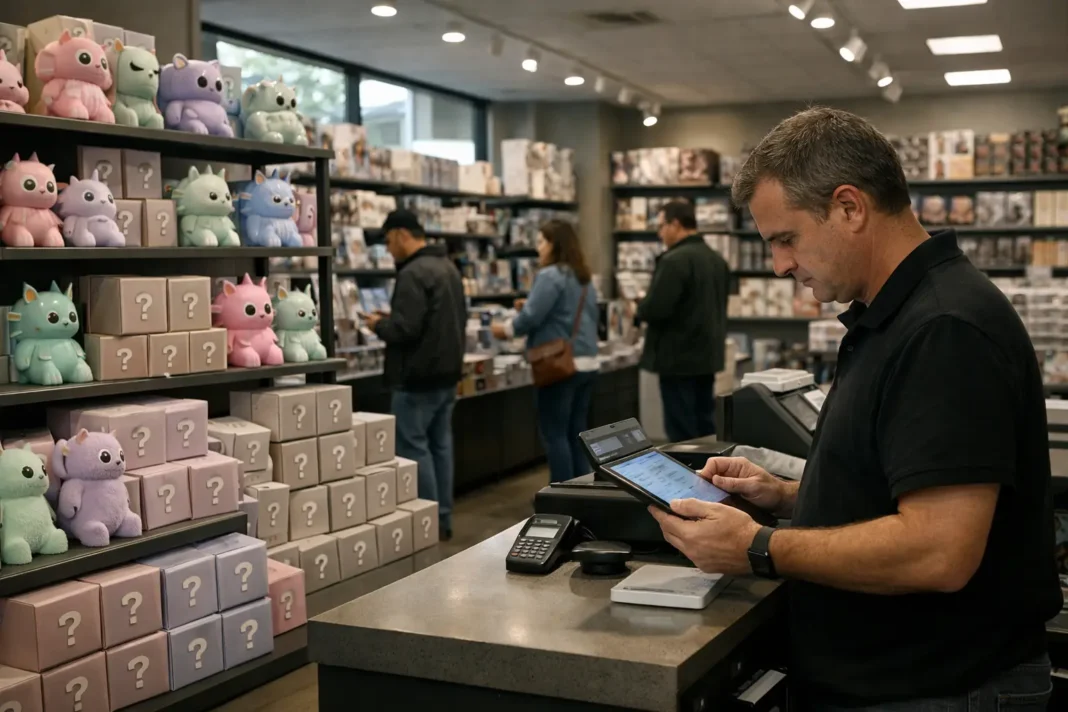

Labubu’s once-dominant buzz is showing signs of fatigue, with parent company Pop Mart facing a fall in revenue as enthusiasm for the quirky plush monster collectibles weakens. The character, whose distinctive look helped turn it into a highly visible product in the designer toy market, had become a symbol of how quickly collectible crazes can spread through retail shelves, resale communities and social media-driven consumer culture.
The slowdown places Labubu at the center of a broader question for the collectibles industry: how long a character-led boom can sustain commercial momentum once novelty begins to fade. Products built around scarcity, repeat purchasing and recognizable design can generate intense demand, but that model also depends on keeping buyers engaged beyond the first wave of attention. When appetite cools, the effect can be felt quickly by companies that rely on popular intellectual property to drive sales.
Pop Mart has built its business around character-based toys and surprise-driven purchasing formats, a strategy that has helped make designer collectibles more visible in mainstream retail. Labubu’s previous popularity reflected the power of a playful design to move beyond niche collectors and reach casual consumers. The latest revenue decline suggests that demand for the plush monster line is no longer expanding with the same force, creating pressure on the company to maintain interest across its broader portfolio.
The development is significant because collectible toy companies often operate in a fast-moving environment where consumer attention can shift rapidly from one character or series to another. A decline tied to weaker appetite for a flagship product does not necessarily end a brand’s relevance, but it can change expectations around growth, inventory planning and future launches. For retailers and brand owners, the key challenge is converting a moment of hype into durable demand without relying solely on scarcity or viral visibility.
For buyers, the cooling of the Labubu craze may reduce the sense of urgency that surrounded the character at its peak. For Pop Mart, it marks a more demanding phase in which the company must show that its appeal extends beyond a single breakout monster. The fall in revenue highlights a familiar reality in consumer trends: even the most recognizable collectible characters must keep earning attention once the initial frenzy begins to fade.






