
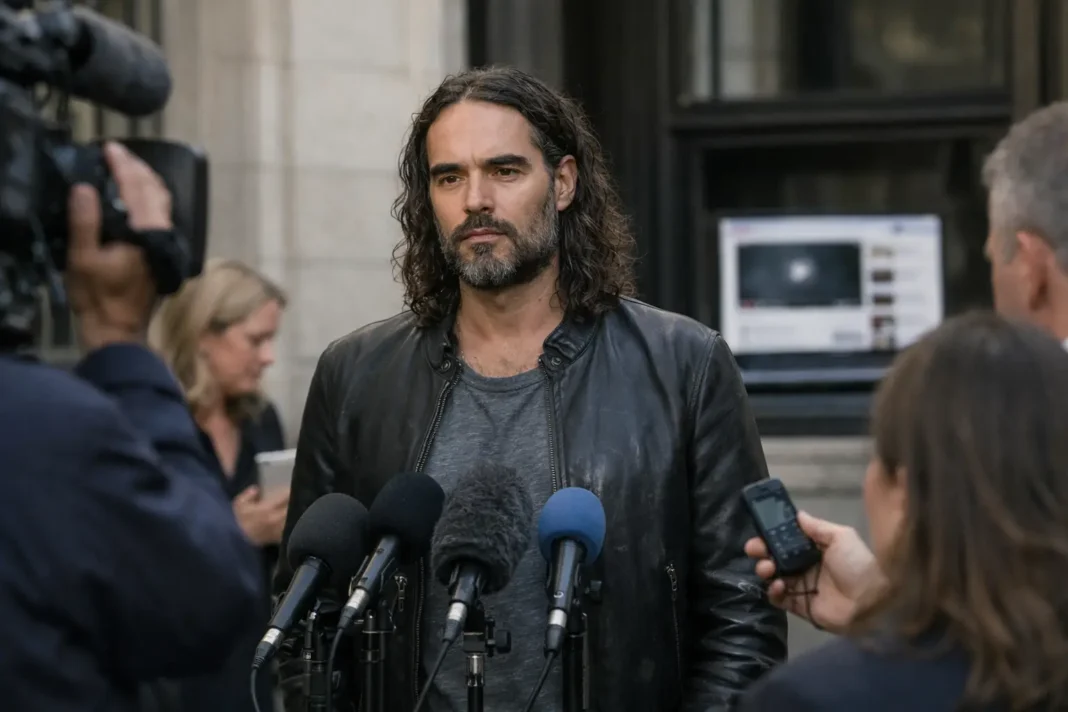

Google has rejected a request from the United Kingdom to remove a YouTube video involving Russell Brand, a decision that brings renewed attention to how major platforms handle official takedown demands. The development followed the sharing by Brand’s wife of a message from him in which he claimed innocence. No further details of that message were provided in the material available.
The refusal by Google, which owns YouTube, means the company did not comply with the removal request as described. The specific UK authority involved, the legal basis invoked and the exact content of the video have not been publicly detailed in the information made available. That lack of detail limits what can be established beyond the central fact that a request was made and that Google declined to act on it.
The case sits within a broader debate over content moderation, official removal requests and the responsibilities of digital platforms when public figures are involved. Governments can seek the removal of online material through legal or regulatory channels, while platforms assess whether the content violates local law, court orders or their own rules. Decisions not to remove material can therefore reflect a narrow assessment of the request rather than a wider judgment on the people or claims connected to the content.
For Brand, whose profile extends across entertainment, broadcasting and online commentary, the timing adds a further public dimension. His wife’s decision to share a message in which he asserted innocence placed his own words back into circulation shortly before the platform decision became known. Google’s refusal does not settle any underlying matter connected to Brand, nor does it validate or reject his statement. It indicates only that the company declined the UK request to take down the YouTube video.






