
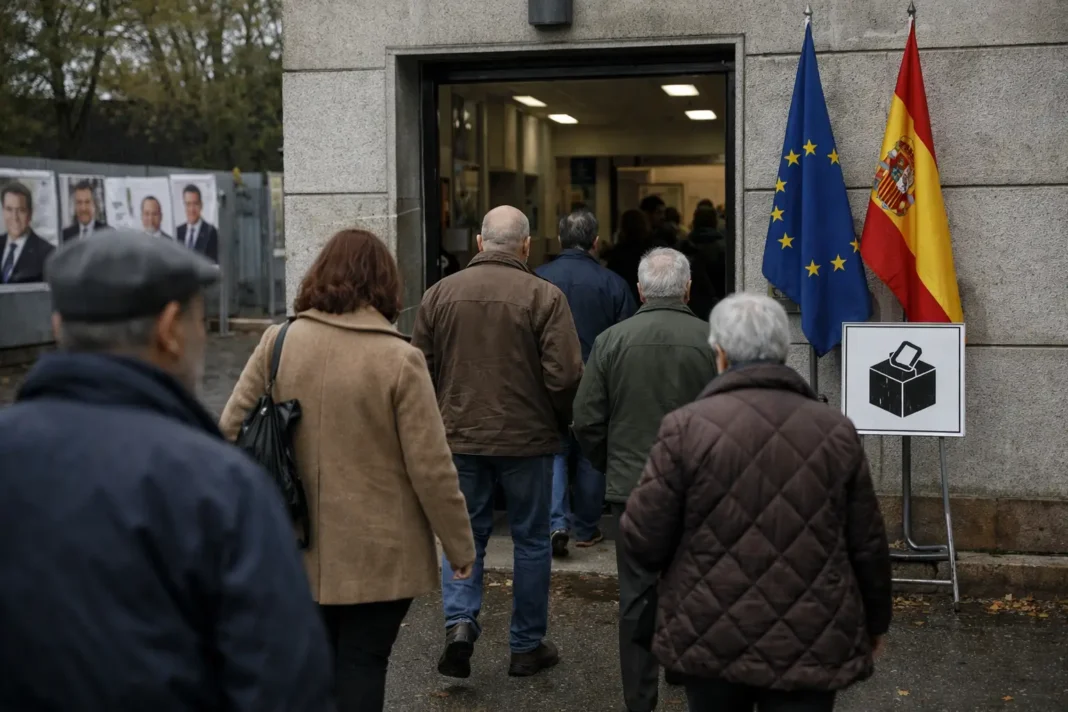

Spain’s November election is set to open a decisive electoral cycle for Europe, with around 200 million voters expected to be eligible to cast ballots across the continent over the following 12 months. The vote on 29 November, overseen by Spain’s Central Electoral Board, has gained wider significance because it comes at a time when right-wing and far-right parties are seeking to convert public discontent into government power.
The calendar that follows will keep national politics at the centre of the European debate. Elections are due in France, Poland, Estonia and Italy in 2027, creating a sequence that could influence the balance between mainstream parties and nationalist movements. The stakes extend beyond single governments: the direction of the European Union will be shaped by how national electorates respond to immigration, living standards, public services and confidence in democratic institutions.
The broader political map has changed sharply over three decades. Around the turn of the century, centre-left parties governed or participated in governing coalitions in 13 of the then 15 EU member states. Today their position is far narrower. Denmark is identified as the only social democratic-led government in northern Europe, while Lithuania holds that place in the east. In the south, Spain stands with Malta as one of the few remaining centre-left governments, making Madrid’s election a test of whether that position can be sustained.
Yet the rise of the far right does not necessarily mean that voters share its full programme. Polling cited in the current debate indicates that some citizens willing to support right-wing parties do not consistently agree with their core ideas. That gap matters politically. It suggests that protest votes, frustration with incumbents and concerns over everyday economic pressures can help such parties grow, while also exposing limits to their appeal when policy choices become more concrete.
The coming electoral cycle will therefore measure both strength and fragility. Nationalist parties have become central actors in several European contests, but their success depends on whether they can turn dissatisfaction into durable majorities. Spain’s vote is the first major indicator in that process, and the results will be read across Europe as parties prepare for a year in which domestic elections may carry continent-wide consequences.






