
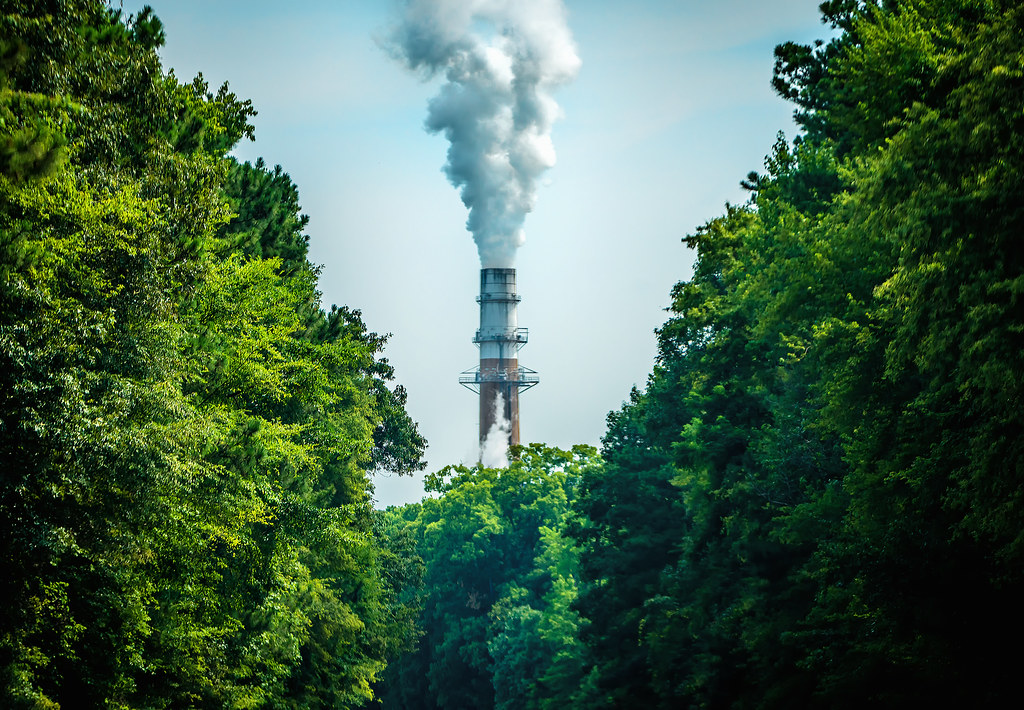

Have you ever pondered why some days feel hotter than the ones your grandparents reminisce about?. Why weather patterns seem to be in disarray? Well the explanation may lie above us unseen but impactful; greenhouse gases. In Europe like in parts of the world these gases have become a pressing concern. Lets delve into the reasons behind their significance.
What are greenhouse gases? Imagine your car parked under the scorching sun with all its windows tightly shut. The temperature inside rises higher than outside right? That’s because the suns warmth becomes trapped within. On a scale greenhouse gases function similarly. They act as a layer around our planet capturing heat and maintaining a temperature that is conducive to sustaining life.
The prevalent greenhouse gases include carbon dioxide (CO2) methane (CH4) and nitrous oxide (N2O). While these gases naturally exist in the atmosphere, human activities such as burning fossil fuels, deforestation and industrial processes have escalated their levels significantly. Consequently more heat is retained within our atmosphere resulting in an Earth.
Greenhouse Gas Emissions, in Europe
Europe has been a region, for a period, which means it has been generating greenhouse gas emissions for many centuries. However in times Europe has become increasingly conscious of the impact these emissions have on climate change.
The European Union (EU) consisting of countries like Germany, France and Italy has made progress in reducing emissions. From 1990 to 2019 the EU successfully decreased its emissions by 24%. Despite this achievement Europe still faces challenges in diminishing its greenhouse gas footprint.
The Present Scenario; Europes commitment to a future is evident through initiatives like the European Green Deal that aims to achieve climate neutrality within the EU by 2050. This entails not adding greenhouse gases to the atmosphere than can be absorbed—a state known as “zero” emissions.
Several European nations are leading by example in this regard. For instance Denmark is capitalizing on wind power while Iceland harnesses energy. Nevertheless overcoming the continents reliance, on coal, oil and natural gas remains an obstacle.
The Role of Different Sectors: Various sectors contribute differently to Europes greenhouse gas emissions.
The energy sector, which encompasses electricity and heating stands as the contributor, closely followed by transportation that heavily relies on fuels. Agriculture also plays a role, in this aspect with livestock generating methane and fertilizers releasing oxide.
To address these sectors impact Europe is making investments in energy sources promoting the use of electric vehicles and encouraging sustainable farming practices. These measures not benefit the climate. Also have the potential to create employment opportunities and stimulate economic growth.
However reducing greenhouse gas emissions comes with its share of challenges. It necessitates a transformation in our energy production methods, travel habits and land management approaches. While this can be both expensive and complex it also presents opportunities for innovation and advancement.
Europe faces the task of striking a balance between growth and environmental sustainability. This equilibrium is vital to maintain support for policies since abrupt changes can lead to social and economic upheaval.
Recognizing that climate change transcends boundaries like greenhouse gases do international cooperation becomes imperative. Europe actively collaborates with nations through agreements like the Paris Climate Accord with the shared objective of limiting warming to well below 2 degrees Celsius, above pre industrial levels.Europe plays a role, in negotiations serving as a model for other regions and extending support to developing countries in their transition to cleaner energy sources.
Moving forward Europe has a direction; continue reducing greenhouse gas emissions and work towards a future. This will involve investing in eco technologies, reevaluating transportation systems and changing consumption habits.
Every European has their part to play whether its policymakers crafting laws or individuals opting for biking of driving. It’s an endeavor we all contribute to collectively acknowledging the challenge but also recognizing the reward—a healthier planet, for everyone.
To sum up greenhouse gases are a matter centered around regulating our planets temperature. Europe with its heritage and forward thinking approach is embarking on a journey to decrease these emissions. It’s a path marked with obstacles. Also filled with optimism. By comprehending the role each of us can play we can come together. Ensure that hot trends only refer to fashion and not jeopardize our planets future.
source link eu news




