HomeWorld NewsDeadly flesh-eating parasite detected in US for the first time: emergency measures...

Deadly flesh-eating parasite detected in US for the first time: emergency measures in place, symptoms explained


The first human case of the deadly flesh-eating parasite known as the New World screwworm has been detected in the United States, specifically in Maryland, in a person who recently returned from El Salvador. This parasitic fly lays eggs in wounds of warm-blooded animals. The larvae hatch and burrow into living flesh, feeding on it and causing serious tissue damage, which can be fatal if untreated. The infection is rare but extremely painful and dangerous. Emergency preventive measures are underway to contain any further spread and protect livestock and humans.

New World screwworm: a deadly flesh-eating parasite

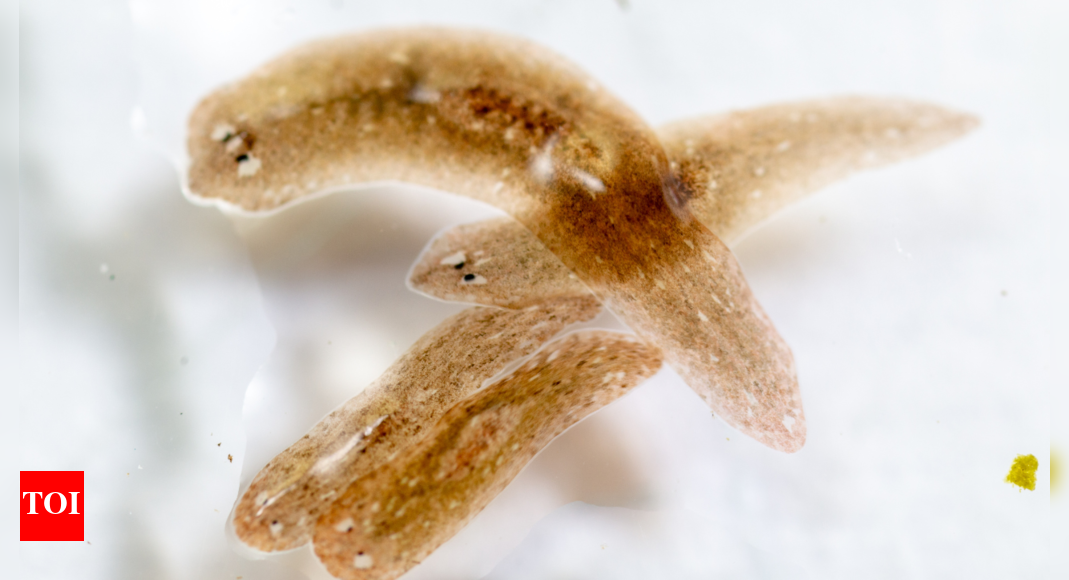
The New World screwworm (Cochliomyia hominivorax) is a parasitic fly whose larvae invade open wounds and live flesh of warm-blooded animals, including cattle, wildlife, pets, and now humans. The female fly deposits eggs in wounds, and larvae burrow using sharp mandibles, feeding on living tissue for about a week before falling to the ground to mature. It was eradicated in the US decades ago but reemerged recently in Central America and Mexico, spreading northward toward the US border.

The US case and response

The confirmed US case involves travel-related infection detected in Maryland, with diagnosis confirmed by larval image analysis.The individual is being treated, and the situation is under investigation by US Department of Health and Human Services, CDC, and Maryland health authorities.The risk to public health in the US is considered very low.The parasite reemerged near the Southern border, prompting a major emergency response including a multi-million dollar biosecurity plan led by USDA and state governments.Efforts include sterile fly production to halt reproduction, enhanced surveillance, and cross-border cooperation to prevent spread.An $850 million initiative in Texas aims to protect livestock by producing hundreds of billions of sterile flies weekly to disrupt parasite breeding.

Symptoms of screwworm infestation

Screwworm larvae burrow into flesh, causing painful wounds.Wounds can become very inflamed, painful, and infected due to the larvae feeding on living tissue.If untreated, infestations can lead to severe tissue damage and death.Treatment involves laborious removal of larvae and thorough wound disinfection.Early intervention generally leads to survival, but delayed treatment is life-threatening.

Comparison to flesh-eating bacteria (necrotizing fasciitis)

Necrotizing fasciitis, caused by bacteria, has symptoms like intense pain around wounds, swelling, redness, fever, and rapid tissue damage.In contrast, screwworm infestation is caused by fly larvae physically eating living tissue.Both conditions cause very painful, spreading tissue damage and require urgent treatment.



Source link

Advertisementspot_imgspot_img

Hot this week

Trump Warns of Severe Economic Penalties for Countries Aiding Iran

Donald Trump warned of 'tremendous economic consequences' for any country aiding Iran after a 60-day ceasefire expired, escalating diplomatic stakes.

Trump Announces Pullback of US-South Korea Exercises Citing Iran stance and North Korea Ties

Trump says the US will reduce joint drills with South Korea after Seoul stayed out of the Iran conflict and citing ties with North Korea's leader.

From Studio Peak to Hospital Ward: How James Ford Turned Illness into an Album

Producer James Ford, known for work with Arctic Monkeys and Klaxons, confronted leukaemia and created new music from his hospital bed.

Birmingham and Cardiff Step Up Midfield Interest as Clubs Reassess Ahead of New Campaign

Birmingham and Cardiff are targeting midfield reinforcements as both clubs prepare for the season and weigh sporting and financial priorities.

Surgeon: Fewer Eye Injury Patients After Solar Eclipse Than in 1999

An eye surgeon says fewer people sought treatment for eclipse-related eye damage than after the UK's 1999 total solar eclipse.

IBM unveils modular ultracold systems to scale fault‑tolerant quantum computing

IBM unveils modular ultracold cryogenic modules and superconducting links to connect quantum chips, aiming for fault‑tolerant machines by 2029.

A 17-year-old carer on missed milestones and hidden labour of youth care

A teenager's account highlights how unpaid caregiving in youth affects schooling, social life and future prospects.

Trump Warns of Severe Economic Penalties for Countries Aiding Iran

Donald Trump warned of 'tremendous economic consequences' for any country aiding Iran after a 60-day ceasefire expired, escalating diplomatic stakes.

Israel launches criminal probe after soldiers fired on car that carried child

Israeli military confirms soldiers fired at a vehicle carrying five-year-old Hind Rajab; a criminal investigation has been opened after her death with six relatives.

Heat Politics: Reform’s Message Forces a Choice Between Immediate Comfort and Long-Term Costs

Reform UK's deputy leader urged acceptance of recent heat, prompting debate on policy priorities amid wildfires, crop damage and emergency strain.

Root’s comeback as captain sparks clinical England bowling at Headingley

Joe Root's second stint as Test captain begins as England dismiss Pakistan for 171, led by five-wicket hauls from Robinson and Tongue.

Edinburgh Fringe Embraces Explicit Comedy as Performers Push Boundaries

At the Edinburgh Fringe a wave of explicit comedy—from Julian Clary to street typists—questions conventions and draws engaged, often startled audiences.

How Honeybees Balance Their Larvae’s Diet: A Hidden Nutritional Strategy

Research shows honeybees detect nutrient imbalances in pollen and process it into well-balanced provisions for their larvae.
Advertisementspot_img

Related Articles

