

A Pfizer drug designed to address a severe problem associated with sickle cell disease failed to beat a placebo in a Phase 3 clinical trial. It’s the latest setback for Pfizer in this inherited blood disorder, coming nearly a year after the pharmaceutical giant withdrew a different sickle cell disease medicine from the market for safety reasons.
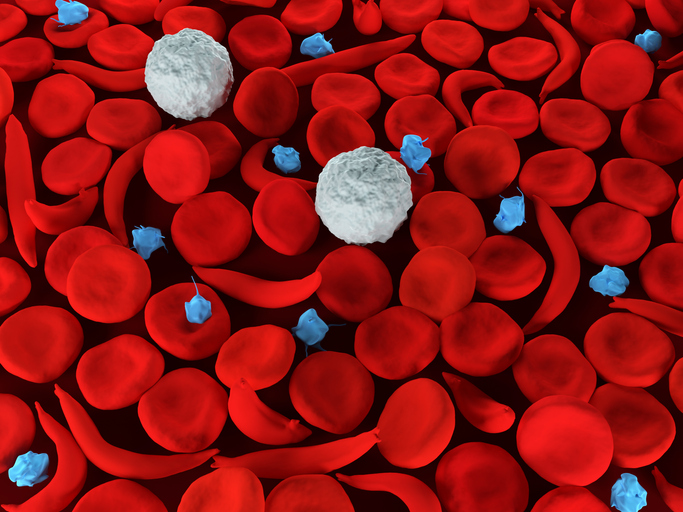
Sickle cell disease leads hemoglobin to take on a rigid crescent shape. These misshapen cells blocks capillaries and small blood vessels, a painful complication called vaso-occlusive crises. Pfizer’s drug, inclacumab, was designed to ameliorate this complication.
Inclacumab is an antibody designed to a block protein called block P-selectin. Found on the surface of activated platelets, this protein promotes adhesion of those cells to the lining of blood vessels. While that’s important for blood clotting in response to injury, it also promotes vaso-occlusive crises in sickle cell disease. By blocking P-selectin, inclacumab was hoped to reduce vaso-occlusive crises.
The Pfizer drug was being evaluated in a study that enrolled 241 patients age 16 and older with a confirmed sickle cell disease diagnosis who experienced two to 10 vaso-occlusive crises in the previous year. Inclacumab was administered via intravenous infusion every 12 weeks. The trial’s main goal was measuring vaso-occlusive crises during the 48-week treatment period.
Without reporting any specific figures, Pfizer said Friday that inclacumab did not achieve a statistically significant reduction in vaso-occlusive crises compared to placebo. The company said the drug was generally well tolerated; the most commonly reported side effects included anemia, joint pain, back pain, and headache. Pfizer Chief Inflammation & Immunology Officer Michael Vincent characterized the result for the trial, THRIVE-131, as disappointing for the sickle cell community and the company.
“While the THRIVE-131 results did not meet our expectations, we remain committed to better understanding these results and sharing them with the medical and sickle cell community in the interest of advancing our collective understanding of sickle cell disease,” Vincent said in a prepared statement. “We remain focused on our mission of bringing much-needed treatments to patients with sickle cell disease.”
Inclacumab was initially developed by Roche. Global Blood Therapeutics licensed the molecule in 2018, proceeding to advance it to mid-stage clinical development. In 2022, Pfizer struck a $5.4 billion deal to acquire Global Blood. The centerpiece of the deal was a different sickle cell disease drug, Oxbryta, which won its FDA approval in 2019. Oxbryta is a small molecule designed to block hemoglobin polymerization, the process in which red blood cells become sickle shaped.
Last September, Pfizer voluntarily withdrew Oxbryta from the market after post-marketing clinical testing showed higher rates of vaso-occlusive crises and more deaths in the Oxbryta group versus the placebo arm. Higher rates of vaso-occlusive crises were also observed in real-world studies of the drug. In Friday’s announcement for inclacumab, Pfizer said it has completed its Oxbryta data assessment review and shared it with the FDA and European Medicines Agency. The company pledged to publish a comprehensive analysis that includes additional Oxbryta data and analyses this year.
Pfizer’s drug pipeline for sickle cell disease includes yet another asset from Global Blood. Osivelotor is a next-generation version of Oxbryta. While this drug has reached Phase 3 testing, enrollment remains paused due to a partial clinical hold issued by the FDA last year. Pfizer said it would provide updates on this study as they become available.
Image: Meletios Verras, Getty Images




