
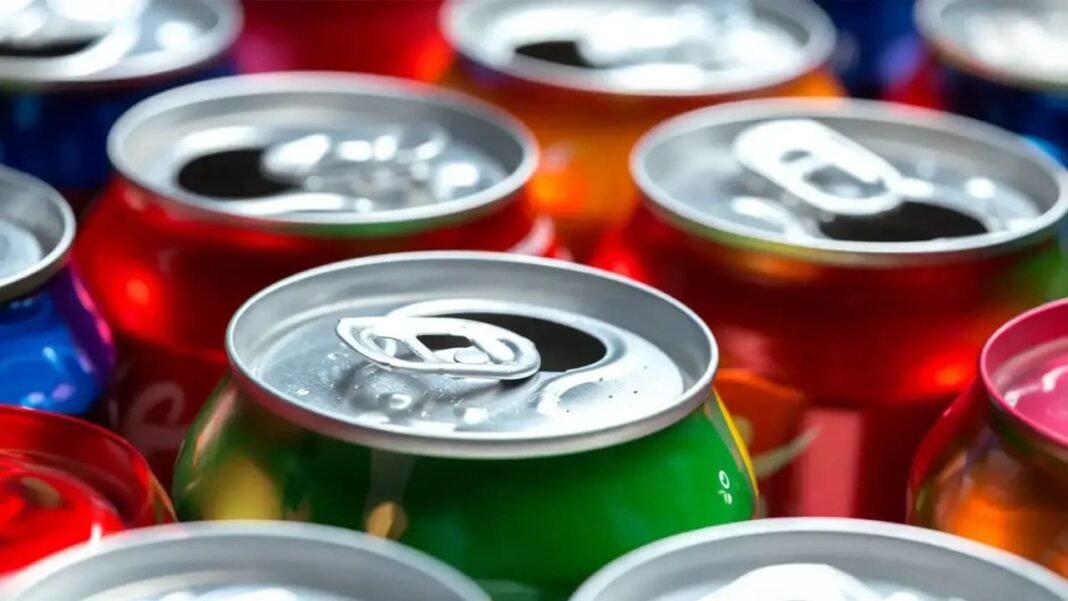

Carbonated drinks occupy a significant place in most of our shopping baskets, and their consumption continues to rise over the years. It is clear to us that the nutritional value of the different drinks is not the same, but in general, beyond the obvious environmental damage of plastic bottles and cans – which in itself justifies reducing consumption – several health questions also arise: How harmful are these drinks really? Are some better than others? Do diet drinks help with dieting or דווקא harm it? And why does drinking from a glass bottle feel tastier?
What is a carbonated drink?These are water into which carbon dioxide has been dissolved under high pressure. That’s it. This gas creates carbonic acid in the water, and therefore every carbonated drink – including soda – is slightly more acidic than regular water. Is this problematic? Not really. Most fruit juices, for example, are just as acidic or even more.
In addition, the myth that acidic drinks “change the body’s acidity” is simply not true – the body maintains a very precise acid balance, and the acidity of the drink is easily neutralized already in the stomach (the beginning of the digestive system). The acid in the stomach is thousands of times stronger than any drink.
Many times the question arises regarding swallowing the gases found in the drink. Do they cause bloating or discomfort in the digestive system? Here there is actually a surprise – in some people, carbonated drinks can relieve nausea or a feeling of heaviness. The main disadvantage is simple: The gases themselves, which sometimes come out very quickly.
Soda – the best simple choiceSoda is actually water with gas only, without added sugar or sweeteners. Not only does it have no significant nutritional disadvantage, it even has several advantages: It is tastier for many than regular water, gives a sense of “treat”, and sometimes also contributes to satiety. In quite a few people, it helps reduce the amount of food in the following meal.
Cola – the big problem is not only the sugarCola is perhaps the most popular drink, but also one of the most problematic. In my opinion, it can even be said that cola is basically water, with another 5–7 chemicals and unwanted substances in the ingredient list.
Let’s start with the high amount of sugar – which today is linked to a long list of diseases, including diabetes, heart disease and obesity:
In a small glass of cola (250 ml) about 6–7 teaspoons of sugarIn a can (330 ml) about 9–10 teaspoons of sugarA large glass (half a liter) contains about 13 teaspoons of sugar!
But it’s not just the sugar. Another problematic substance is phosphoric acid. This acid may disrupt the balance between calcium and phosphorus in the body, and in the long term harm the health of bones and teeth.
And of course, cola also contains caffeine. In the past this was considered a disadvantage, but today it is known that caffeine also has health benefits, so the problem is not the caffeine itself but its combination with sugar – a combination that increases alertness and may also strengthen the feeling of addiction to the drink.
And by the way, here is a question I am asked from time to time: Is there really a difference between diet cola and zero cola? So the answer is no! In terms of the ingredient list – there is no significant difference between them, and therefore there is also no clear health advantage to one over the other.
And here is something that might surprise you: Drinks like Sprite and Fanta usually do not contain phosphoric acid, and this is supposedly a certain advantage over cola. However, they still contain similar amounts of sugar, and therefore the metabolic damage remains. In addition, these are drinks with a relatively long ingredient list, including food colorings, flavorings and stabilizers – most of which do not contribute to health.
Diet drinks – maybe better than sugarIn light of the clear harms of sugar, the question arises whether a diet drink containing sugar substitutes is preferable, which are now considered a better option in many cases?
In most diet drinks we will find the sweetener aspartame, which was previously at the center of controversy. Older studies raised concerns about damage to the brain, or carcinogenic potential, but more recent studies indicate that the effect depends on quantity – and in moderate consumption there is no evidence of significant harm.
Another sweetener is acesulfame K, a chemical whose consumption should be minimized as much as possible.
In contrast, sucralose – which is found in newer carbonated drinks – is currently considered one of the relatively safe sweeteners, although there are also studies showing a certain effect on gut bacteria.

Glass bottle is preferableMany claim that a drink in a glass bottle really tastes better, and the truth is that this is not imagination. There is a simple physical explanation for this: Carbon dioxide “escapes” relatively easily through plastic, less through a can, and almost not at all through glass. Therefore, a drink from a glass bottle preserves the gas better.
In addition, plastic may release substances in small amounts that affect the taste, and aluminum in cans can also react slightly with the drink. Glass, on the other hand, hardly reacts with the liquid – and therefore the taste remains cleaner.
So what should you choose?If already carbonated drinks – soda is the most preferable choice.If you want something sweet, it is better to choose drinks with sweeteners like sucralose and not sugar.And in any case, if possible – a glass bottle is preferable.
Source:
www.jpost.com



