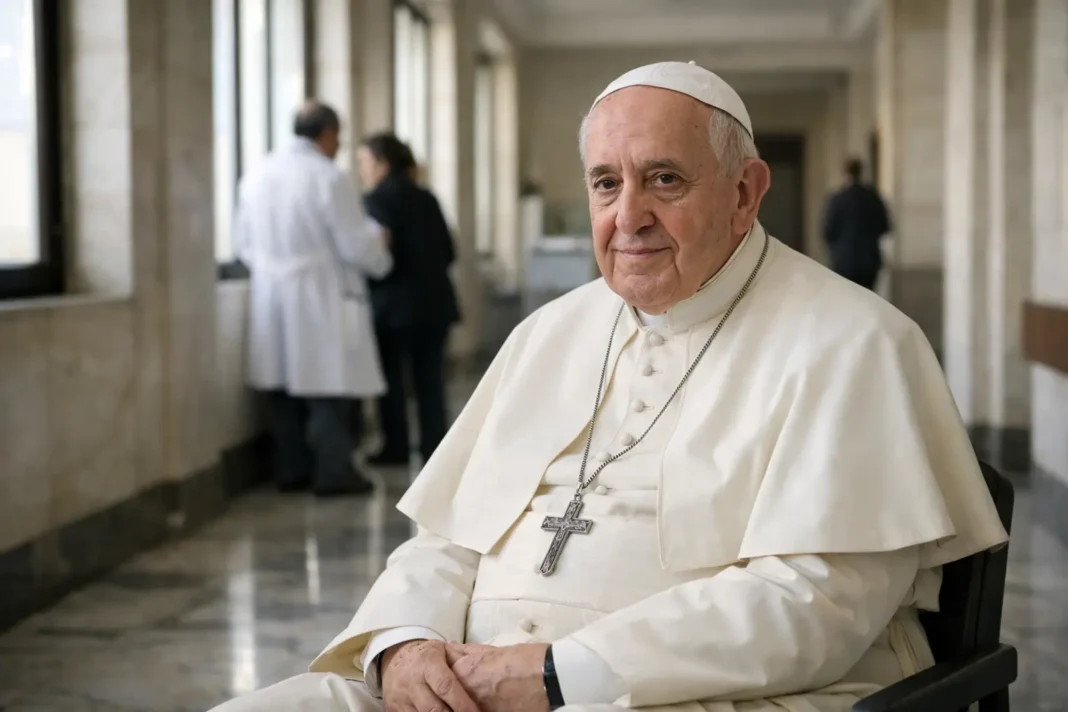

Pope Leo underwent surgery after being diagnosed with lung cancer, the Vatican announced. Medical teams performed an operation to remove the lower lobe of the Pope’s right lung; the procedure was reported as successful and the pontiff is now in postoperative care. The statement from the Holy See provided only basic facts about the intervention and its immediate outcome.
The removal of a lung lobe, known in clinical practice as a lobectomy, is a standard surgical option for certain localized lung cancer cases. Surgeons aim to excise the tumor-bearing segment while preserving as much healthy lung tissue as possible. In many centres, the approach and extent of surgery depend on the size and location of the lesion and on preoperative assessments of respiratory function.
Following such an operation, clinical teams typically monitor vital signs, respiratory capacity and postoperative complications, and they analyse the removed tissue to determine the exact characteristics of the cancer. Decisions on any additional treatments — such as chemotherapy, radiotherapy or targeted therapies — are usually guided by the pathology report and multidisciplinary review. The Vatican’s brief release did not outline subsequent therapeutic plans or timelines for follow-up.
The health of a pontiff carries both pastoral and institutional implications. Liturgical and public duties are often adjusted to allow for recovery, and the Vatican administration coordinates any changes to official schedules and engagements. Official updates from the Holy See remain the primary source for confirmed information about the Pope’s condition and planned medical steps.
The announcement has prompted international attention to the Pope’s medical status, but the details released so far are limited to the diagnosis and the successful removal of the lower right lung lobe. Observers and practitioners will await further bulletins from the Vatican and medical teams for information about recovery milestones and any recommended additional care.