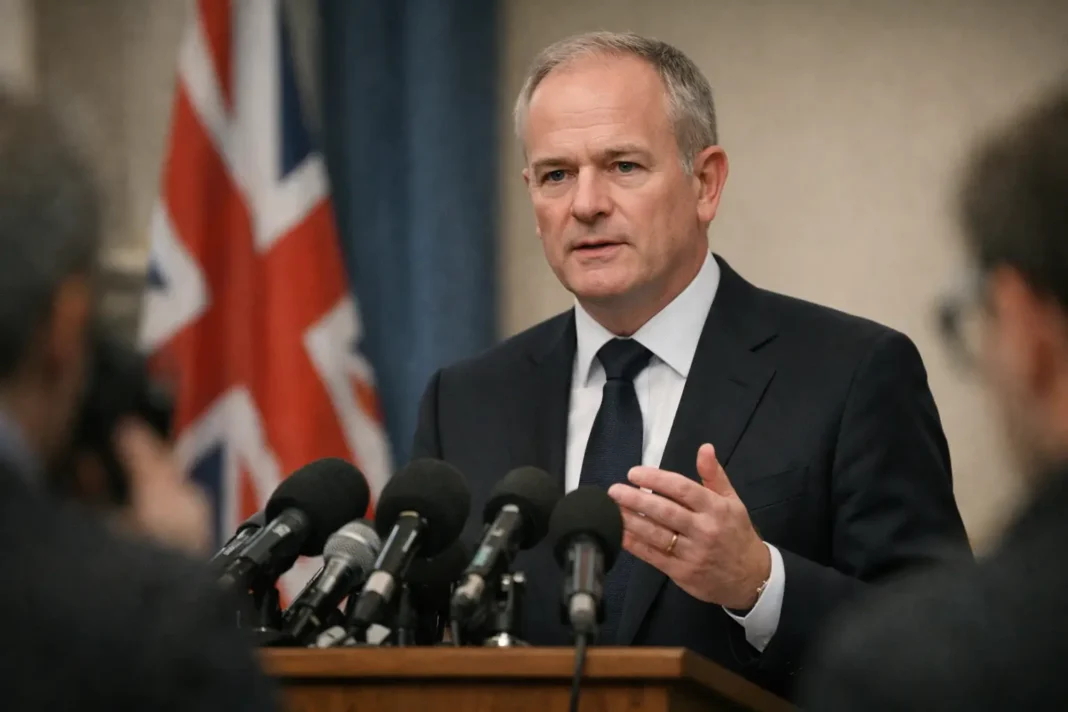

MI5 chief warns against overstating foreign influence in the 2016 referendum, following public remarks by Andy Burnham that Moscow had sought to interfere. The security service stressed the need for careful assessment of available evidence to avoid politicising intelligence findings. The intervention has reignited debate about how allegations of external meddling are presented and investigated in the UK.
The note from MI5 emphasised that identifying and attributing interference is a complex task that demands rigorous analysis. Intelligence assessments often involve degrees of uncertainty, and the service warned against drawing firm conclusions in public discourse where the evidence has not been made explicit. The aim, the agency said, is to ensure public confidence in both the integrity of elections and the institutions that protect them.
The exchange follows comments by Andy Burnham asserting that Moscow had attempted to influence the 2016 Brexit vote, a claim that has added momentum to calls for further examination of past foreign operations. Since 2016 there has been sustained attention on how external actors might seek to shape political outcomes, using a mix of online campaigns, covert contacts and information activities. The current statement from the security service frames those concerns within the need for corroborated findings and transparent processes.
Analysts say the immediate consequence is likely to be renewed parliamentary interest in both the methods used to detect interference and the standards applied when making public allegations. The security agency’s reminder about evidentiary limits may prompt calls for clearer publication of formal assessments and for strengthened procedures to protect democratic processes. For now, the debate centres on balancing the public’s right to know with the responsibility to present verified information.