
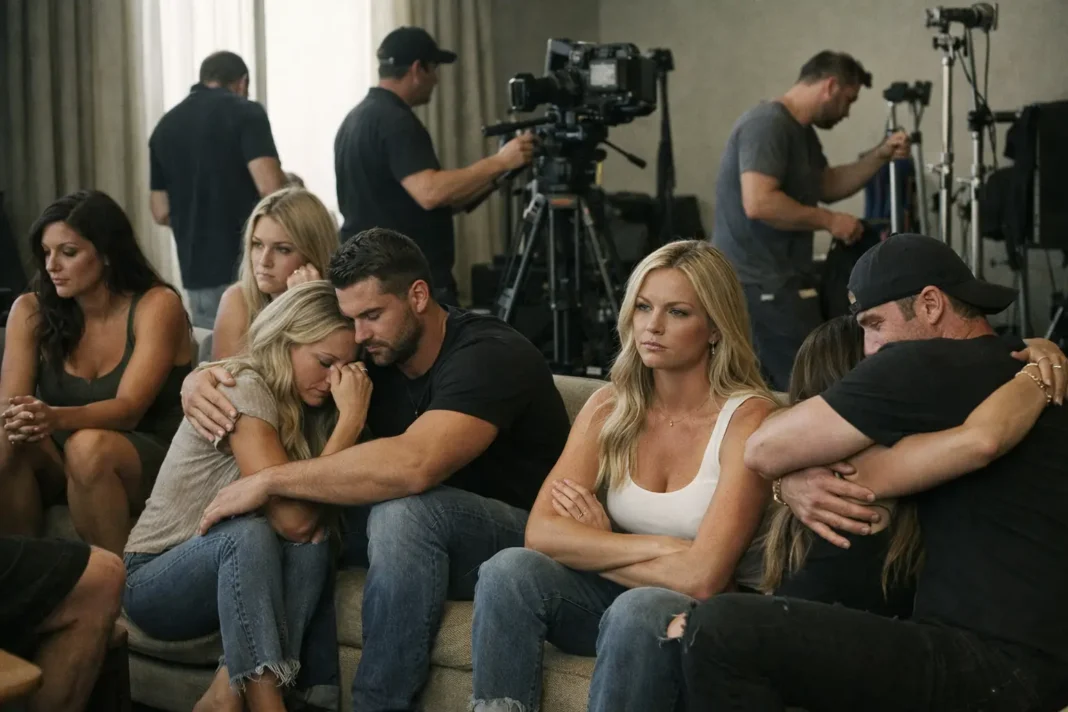

The cancellation of Married at First Sight UK has drawn a visibly emotional response from people connected to the programme, with reactions ranging from relief to tears and sadness. The show, one of the most recognisable titles in British reality television, was axed after an investigation by BBC Panorama heard allegations from three former cast members.
The decision marks a significant moment for a format built on intimate relationships, public scrutiny and accelerated personal commitments. Married at First Sight UK followed participants as they entered a highly managed social experiment in front of cameras, a structure that made the programme popular but also placed cast welfare at the centre of wider questions about unscripted television. The reactions from cast members reflect both the personal bond many had with the show and the strain that can accompany participation in such formats.
The programme’s cancellation does not erase its place in recent British entertainment culture. It attracted audiences through dramatic relationship arcs and the promise of expert-led matchmaking, while also contributing to an expanding debate over how broadcasters and production teams support contributors before, during and after filming. The involvement of former participants in the BBC Panorama investigation has now brought those concerns into sharper public focus.
For broadcasters, the issue extends beyond a single title. Reality formats rely on emotional openness from ordinary people, often in situations designed to create tension, vulnerability and conflict. When allegations emerge from former cast members, they place renewed attention on consent, aftercare and the balance between entertainment value and contributor protection. The end of Married at First Sight UK is therefore likely to be read not only as a programming decision, but also as part of a broader reassessment of standards in factual entertainment.
The cast response underlines the complexity of the moment. Relief suggests that some see the cancellation as necessary, while tears and sadness point to the friendships, opportunities and visibility the programme created for those involved. What remains clear is that the show’s closure follows a serious public examination of former participants’ allegations, leaving a prominent space in the UK reality schedule and fresh scrutiny around how such programmes are made.





