HomeOpinionCongress Faces Pressure to Reassert Control Over Tariffs and War Powers

Congress Faces Pressure to Reassert Control Over Tariffs and War Powers

American households are at the center of a growing debate over the economic consequences of tariff policy and military action. Higher import duties can filter through supply chains into consumer prices, while the financing of overseas operations can add to federal borrowing needs and influence credit conditions. In the United States, those costs have renewed scrutiny of how major economic and security decisions are made in Washington.

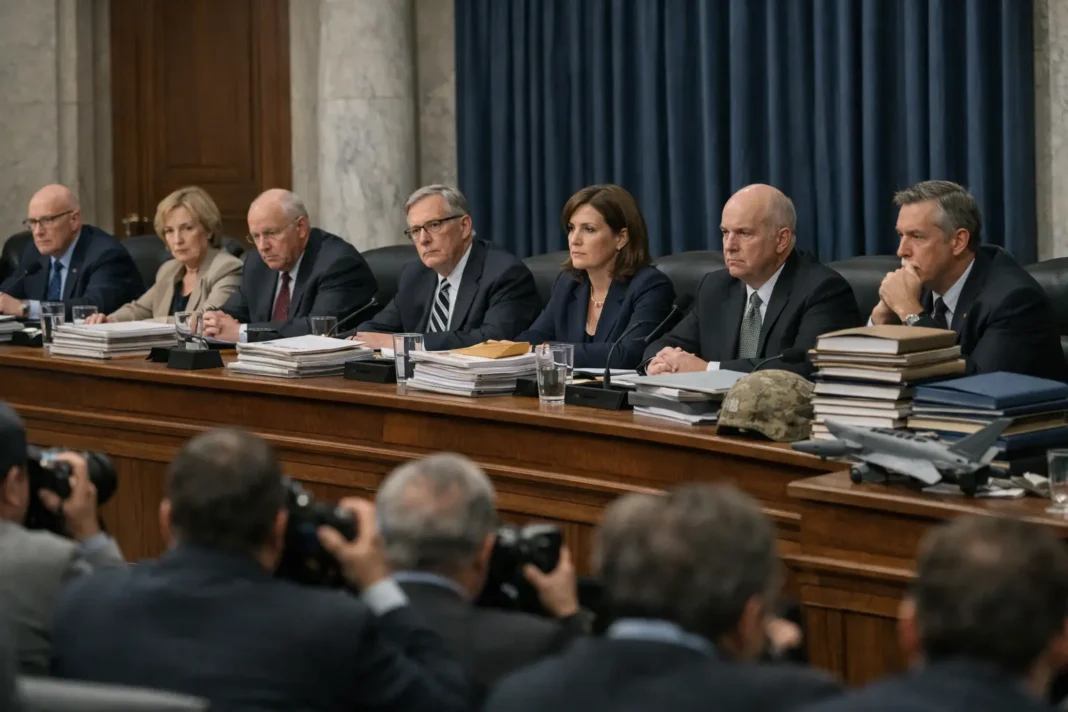
The discussion focuses on the role of Congress, which holds constitutional powers over taxation, spending and the declaration of war. In recent decades, presidents have often relied on delegated trade authority and broad interpretations of executive power in matters of national security. Critics of that shift argue that decisions with direct consequences for families, businesses and the federal budget should face a clearer vote by elected lawmakers.

Tariffs remain one of the most visible examples. When a president imposes or expands duties on imported goods, the immediate legal action may occur at the executive level, but the economic effects spread through retailers, manufacturers and consumers. Reclaiming a larger congressional role over tariffs would not determine the outcome of any specific trade dispute, but it would require a more transparent legislative process before measures with broad price effects are put in place.

The same argument is being applied to military force. Operations linked to Iran have intensified calls for lawmakers to revisit how and when the executive branch can commit U.S. forces. The issue is not only constitutional. Military action carries budgetary costs that can extend beyond the battlefield, including equipment, deployment, veterans’ care and interest on debt used to finance operations. Supporters of congressional reassertion argue that the public should receive a clear accounting before future conflicts expand.

The White House, through official executive authority, retains substantial power in trade and foreign policy. Yet the current debate highlights a central question for U.S. governance: whether decisions that raise prices, increase borrowing costs or expose the country to war should proceed without a specific and public congressional mandate. Restoring that oversight would shift responsibility back to lawmakers and make the costs of major national choices harder to obscure.


Advertisementspot_imgspot_img

Hot this week

Why Trump’s Tariff Leverage Is Losing Force

Trade partners have adapted since Trump’s first tariff push, reducing the impact of new duties and planning beyond his political cycle.

BBC Apology Puts Strictly Noise Disruption Under Scrutiny

The BBC has apologised for offence caused by a Strictly noise disruption as Lancashire Police assesses whether any offence took place.

UK Faces Participation Fee as New EU Deals Move Into Legal Text

Legal documents show the UK will pay a participation fee linked to the delivery of new agreements with the European Union.

Theresa May Warns Against Reopening Brexit Debate

Former UK prime minister Theresa May criticises Andy Burnham’s EU proposals and urges politicians to accept Brexit.

Zelensky Defends Crimean Bridge Strikes During Meeting With UK’s Streeting

Ukraine’s president says attacks on the Crimean Bridge followed 109 Russian aerial strikes on Ukrainian bridges.

NHS Flu Warning Puts Vaccination Back at the Centre of Winter Health Efforts

NHS leaders urge at-risk people to get vaccinated as flu-related hospital admissions rise during the winter period.

Why Trump’s Tariff Leverage Is Losing Force

Trade partners have adapted since Trump’s first tariff push, reducing the impact of new duties and planning beyond his political cycle.

UK Faces Participation Fee as New EU Deals Move Into Legal Text

Legal documents show the UK will pay a participation fee linked to the delivery of new agreements with the European Union.

Zelensky Warns Washington Is Not Pressuring Moscow Hard Enough

Ukraine’s president criticizes US priorities, saying Washington is too focused on the Middle East and too cautious with Russia.

Cricket Australia widens sandpapergate review to the 2017-18 Ashes

Cricket Australia's independent sandpapergate probe will now examine the 2017-18 Ashes series against England.

Poundland Liquidation Leaves 11,000 Workers Facing an Uncertain Christmas

Poundland’s liquidation puts 11,000 jobs at risk, with staff seeking clarity over stores, buyers and their future.

Paris Fury withdraws claim that Tyson Fury had schizophrenia diagnosis

Paris Fury has withdrawn her statement that Tyson Fury was diagnosed with schizophrenia, refocusing attention on accuracy around health claims.

Jesse Eisenberg Turns Self-Effacement Into a Film Talking Point

Jesse Eisenberg’s remarks about sexuality, fame and writing in public add a new layer to the press campaign for The Debut.
Advertisementspot_img

Related Articles
