
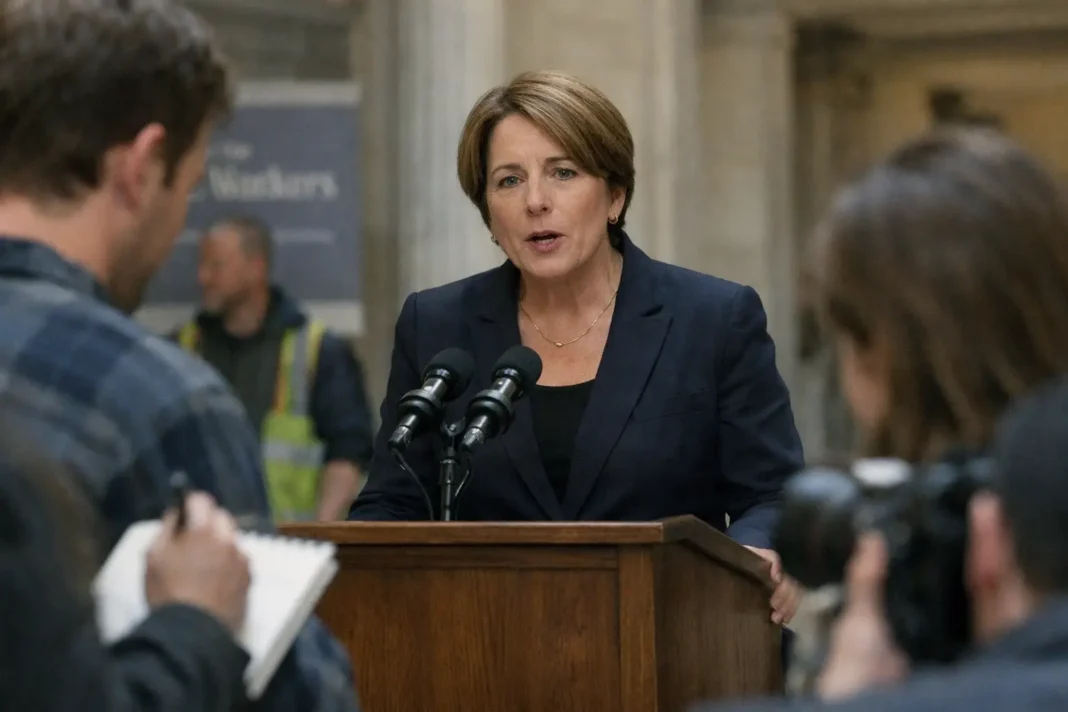

Younger workers could remain outside a single-rate minimum wage system before the next general election, after the Chancellor indicated that equal treatment for all age groups may not be delivered on that timetable. The remarks place renewed attention on a sensitive labour-market commitment: whether people doing comparable work should receive the same legal pay floor regardless of age.
Healey now faces questions over how far the government is prepared to go in narrowing pay gaps between younger employees and older workers. The issue matters most for those in entry-level, retail, hospitality and care roles, where statutory wage rules often set the baseline for earnings. A delay or partial implementation would not remove existing protections, but it would leave younger staff potentially below the rate available to older colleagues.
The debate also carries political weight because wage policy is one of the clearest measures by which voters can judge promises on living standards. The Low Pay Commission advises the government on statutory pay rates, balancing earnings support with employment conditions. Any decision on age thresholds would therefore sit at the intersection of household income, business costs and the credibility of pre-election commitments.
For employers, a single minimum wage would simplify pay structures but could increase payroll costs in sectors that rely heavily on younger staff. For workers, the difference is more direct: statutory age bands can determine whether a job provides enough income to keep pace with rent, transport and basic expenses. That is why the Chancellor’s wording is likely to remain under close examination until ministers set out the next steps.
The central question is now one of timing and intent. Keeping a lower legal rate for younger workers until after the election would be seen by critics as a retreat from the promise of equal treatment. Delivering parity sooner would require a clear government decision and a timetable that businesses and employees can plan around. Until then, young workers remain at the centre of a pay debate with immediate practical consequences.






