
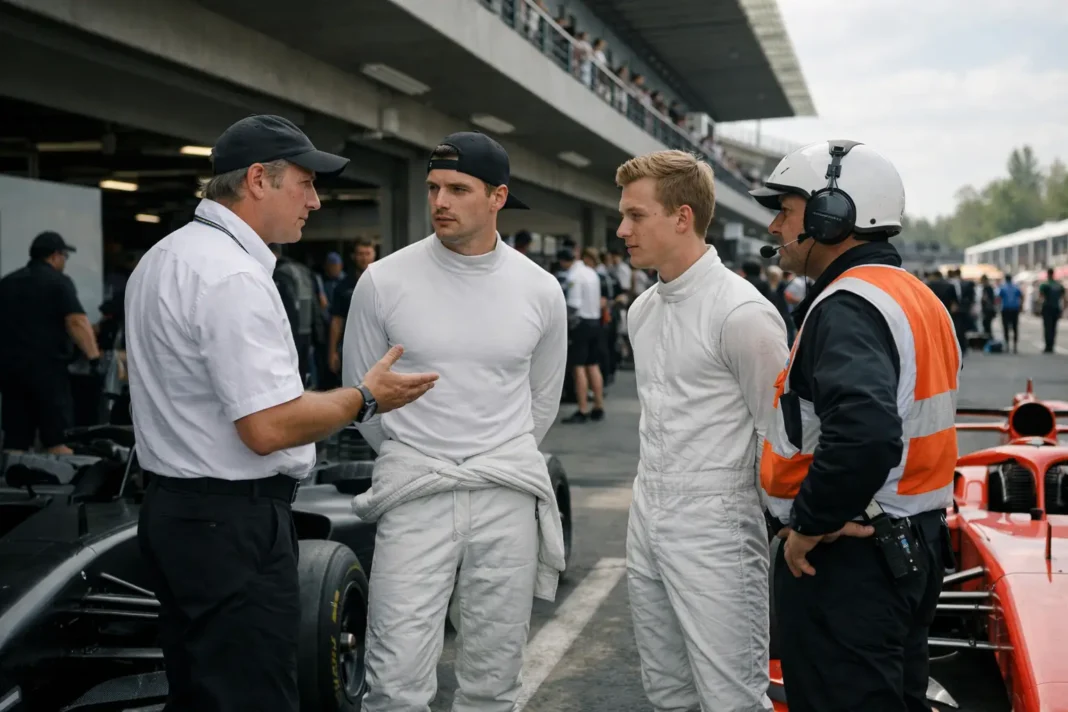

Max Verstappen and Liam Lawson will each lose one position on the starting grid for the Mexico City Grand Prix after stewards sanctioned both drivers over a collision during the second practice session. The incident was judged unacceptable, turning a preparatory run into a sporting penalty with direct consequences for race day.
The decision affects two drivers competing under the strict procedural framework of FIA-regulated Formula 1. A one-place grid penalty is limited in scale, but it can still be significant on a circuit where track position, traffic and race strategy often shape the outcome. The sanction also underlines that practice sessions, while not competitive in the same way as qualifying or the race, remain subject to formal driving standards.
Max Verstappen, one of the sport’s most prominent competitors, and Liam Lawson were both held responsible for their part in the contact. No additional details were included in the initial penalty information beyond the classification of the collision and the identical sanction applied to each driver. The equal punishment indicates that stewards did not place the sporting consequence on only one side of the incident.
For teams, even a minor grid drop can alter calculations before qualifying and the race. Starting one position lower may affect tyre planning, opening-lap risk management and the ability to run in clean air. At a venue where the long run to the first braking zone can create opportunities and hazards, the final grid order carries particular weight beyond the numerical value of the penalty itself.
The ruling adds an extra layer of scrutiny to the Mexico City weekend and reinforces the role of stewards in policing conduct across every session. Formula 1 practice is designed for setup work, tyre evaluation and race preparation, but incidents that compromise safety or order can still reshape the competitive picture before the Grand Prix begins.






