


Cinnamon, turmeric, and ginger are usually the spices that get all the glory when talking about health benefits, but the world of science and research presents quite a few more routine herbs as highly beneficial to health, and they too deserve a place at the front of the stage. Consuming parsley, sage, rosemary, thyme, and other culinary herbs is more than just adding good flavor to your food.
Usually, a large amount of herbs is not used in cooking, but they can still be used generously depending on the recipe to enjoy their health benefits. They contain many antioxidants, have anti-inflammatory effects, and protect the body from bacteria and fungi.
Specific herbs also have their own unique health benefits – from basil’s positive effect on gut health to rosemary’s ability to suppress allergic reactions. Generally, a few teaspoons or tablespoons a day can make a difference, and together they have a cumulative effect in promoting good health.
BasilThe basil plant is loaded with antioxidants and anti-inflammatory, antibacterial, and immune-enhancing properties. Fresh basil contains vitamins A and K, calcium, magnesium, potassium, and other important nutrients.
Studies have found that consuming 5 mg of basil syrup at night can relieve anxiety in people treated for depression. By increasing the presence of good bacteria in the body, it can also improve gut health and metabolism (including blood sugar and cholesterol). Its antimicrobial, anti-inflammatory, antioxidant, and other beneficial properties suggest that basil can help the body fight cancer, viruses, and other infections.
The simplest way to enjoy basil is to use whole fresh basil leaves in a salad, for example, a Caprese salad with tomatoes and fresh mozzarella. Alternatively, fresh or dried basil can be added to pasta, pizza, soups, roasted chicken, stir-fries, or even cocktails.
CorianderApologies in advance to anyone who tastes soap – but coriander is an excellent herb for cooking that also has great health benefits. The plant contains vitamins A, C, and K, folate, potassium, carotenoids, and other nutrients.
Studies indicate that consuming coriander in the form of leaves or seeds is beneficial for anxiety and depression, protects brain health, and supports cardiovascular health. There is also evidence that coriander may help protect against obesity, diabetes, and metabolic problems thanks to its polyphenols – antioxidant-rich compounds in plant-based foods. Fresh coriander leaves can be added to stews, soups, salsa, and various dishes.

OreganoOregano, part of the mint family, possesses anti-inflammatory, antioxidant, and antibacterial properties, thanks to the flavonoids and phenolic acids it contains. These phytochemical compounds are also considered to have anti-cancer properties – according to the scientific world, they can alter hormone activity in beneficial ways, stimulate enzymes that detoxify the body, regulate immune system function, and prevent or slow the growth of cancer cells.
In addition to helping the body fight free radicals, consuming 25 ml (about 5 teaspoons) of oregano oil after every meal for three months was found to reduce LDL cholesterol and increase HDL cholesterol levels. A teaspoon of ground oregano contains an impressive amount of calcium, potassium, and vitamins A and K, alongside folate, magnesium, and other nutrients.
Oregano can be added to potatoes or chicken before cooking, or a mixture of oregano with extra virgin olive oil and garlic can be brushed onto zucchini or eggplant before cooking.
ParsleyParsley is the more beloved sister of coriander, and some people see it only as a garnish – but it is a nutritional star, considering that it contains a significant amount of fiber, calcium, iron, magnesium, potassium, and also vitamin C, folate, and vitamins A and K.
In addition, parsley is full of antioxidants and other bioactive compounds that may support heart health. In fact, parsley has been proven to have properties that lower blood pressure and cholesterol, and improve blood flow and the inhibition of blood clotting.
Fresh parsley can, of course, be added to green salads, and fresh or dried parsley can also be added to stews, pasta, and various dishes. Experts recommend mixing fresh parsley with pistachios, extra virgin olive oil, lemon juice, and sea salt, and drizzling the mixture over roasted vegetables, fish, chicken, or grilled tofu.
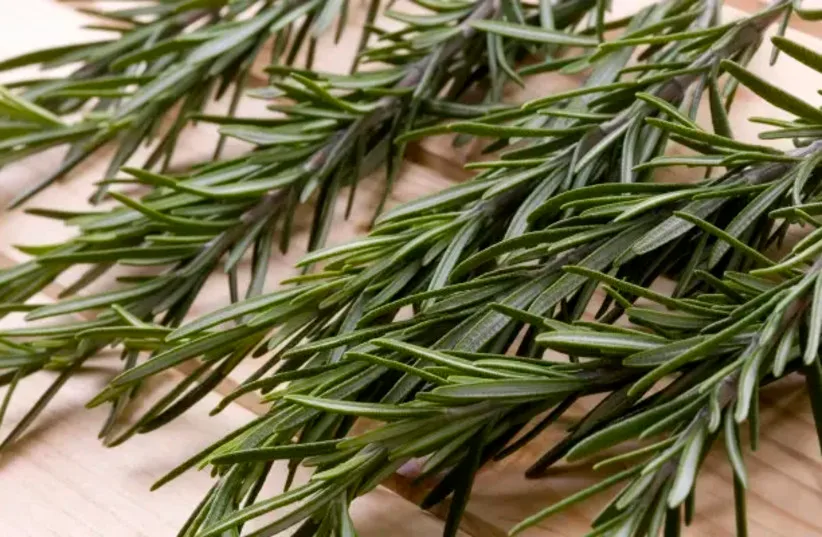
RosemaryRosemary is rich in various substances with antioxidant and anti-inflammatory effects. The strong aroma of rosemary is actually a sign of the presence of its bioactive compounds. Rosemary extract has been proven to suppress allergic reactions and nasal congestion, mainly by reducing inflammation and inhibiting mast cell activation (which triggers allergy symptoms). It has also been used to improve mood and memory, relieve pain, improve sleep, and other neurological conditions.
A tablespoon of dried rosemary contains vitamin A, folate, potassium, magnesium, and calcium. Rosemary can even be used for food preservation. Rosemary can withstand heat and cooking, so it can easily be added to roasted potatoes, chicken, fish, and vegetables.
ThymeThyme is a perennial plant rich in vitamins A, B6, C, E, and K, minerals such as potassium, calcium, iron, and magnesium, and other important nutrients. The fragrant herb is known for its antioxidant, anti-inflammatory, antiviral, and antibacterial activities. Thyme can help protect respiratory health and heart health, as both are affected by inflammation and oxidative stress. Fresh thyme leaves can be added to vegetable soups, sautéed mushrooms, or white bean dishes. Fresh or dried thyme can also be used in salad dressings and marinades.
SageSage is an aromatic plant rich in antioxidants and biologically active plant compounds, including rosmarinic acid and flavonoids. It contains small amounts of vitamins and minerals, especially vitamin K, and contributes to protection against oxidative damage in cells. Studies indicate that sage may have anti-inflammatory and antimicrobial effects, and it is also being studied in the context of improving cognitive function and memory. Sage adds a rich flavor to dishes like vegetable soup, pastas, and various stews, and it can even be drunk as a tea.
Source:
www.jpost.com



