
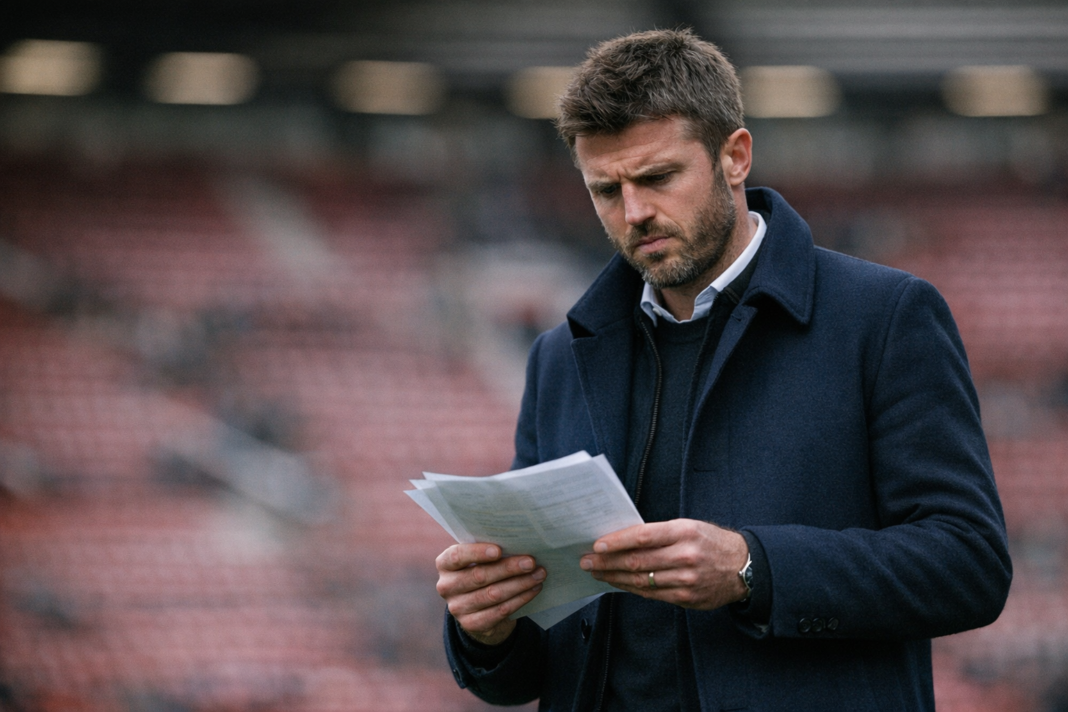

Another damaging night for Manchester United has intensified scrutiny around the club’s short-term trajectory. The latest defeat — also a cup exit — has been described by observers as more than a single setback: it fits into a pattern of unsteady performances that have left the squad, the coaching group and the board facing renewed questions. Michael Carrick has publicly acknowledged the pressure surrounding the role, signalling the heightened expectations that accompany results at a club of this stature.
The result underlined recurring issues that have surfaced across the campaign, from inconsistent form to lapses at critical moments. Those concerns are not limited to one match or one competition; instead they feed into a broader narrative about strategy and stability. Supporters and analysts alike have pointed to the need for clearer long-term planning, from transfer priorities to the definition of a coherent playing identity that can be maintained through managerial changes.
For Michael Carrick, the immediate consequence is intensified scrutiny of match management and team selection. For the hierarchy, the pressure centres on communicating a credible roadmap: whether that means confirming a long-term coach, accelerating recruitment to fill evident gaps, or setting a more defined performance timeline. The club’s decisions in the coming weeks will be watched not only for their sporting impact but for what they reveal about institutional resolve and direction.
While supporters and commentators digest another disappointing outcome, the practical reality for the club is the same faced after previous setbacks: results demand answers. The focus now turns to how the leadership translates the criticism into concrete measures, and how quickly those measures can influence performances on the pitch. In the short term, stability and clarity — rather than reactive gestures — will be essential if the first-team project is to move past a familiar cycle of hope and frustration.





