
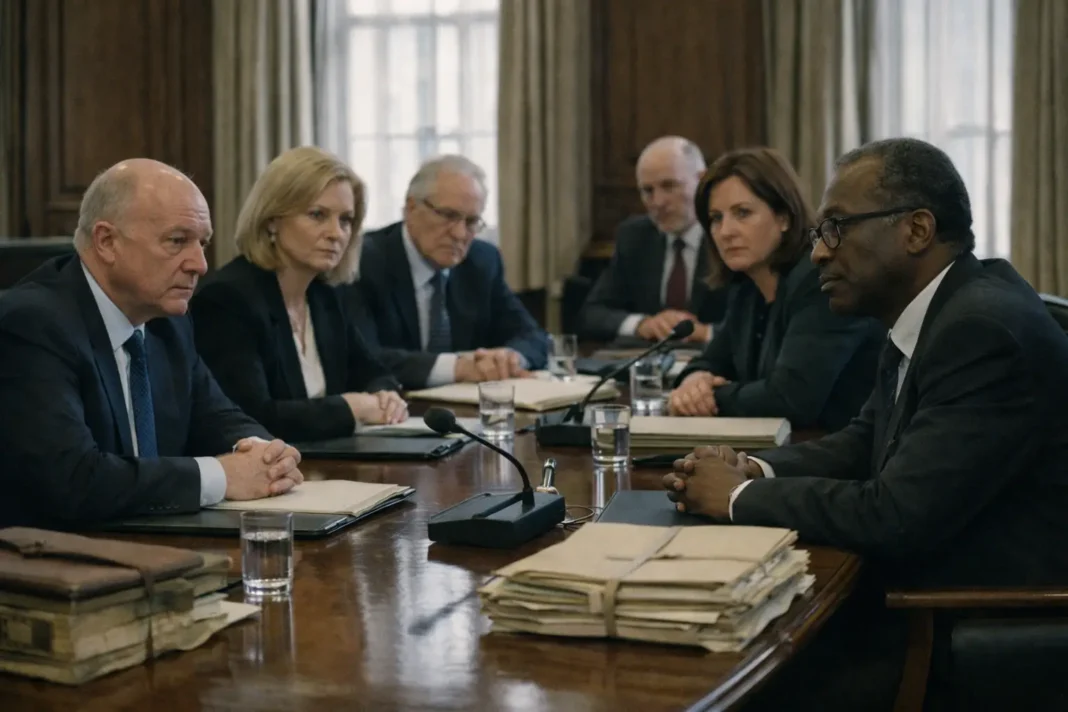

British diplomats are seeking to reassure international partners that discussions over a possible apology for Britain’s role in slavery will not be open-ended, even though no date has been confirmed for the process. The approach points to an effort by the Foreign, Commonwealth and Development Office to acknowledge the political sensitivity of the issue while avoiding a public timetable it is not yet ready to define.
The commitment to “time-bound” talks matters because the debate has moved beyond historical reflection and into diplomacy. Governments and advocates in parts of the Caribbean and Africa have long pressed the United Kingdom to confront the legacy of the transatlantic slave trade more directly, including through formal language, education, institutional accountability and wider conversations about reparatory justice. A structured process would not itself amount to an apology, but it would signal that the question is being treated as a live diplomatic matter rather than a symbolic dispute left indefinitely unresolved.
The UK government has historically been cautious about issuing a formal apology for slavery, often expressing deep regret while stopping short of wording that could carry broader political and legal implications. That distinction is central to the current debate. For campaigners, regret does not sufficiently recognise the state’s historical role or the continuing consequences of enslavement and colonial extraction. For ministers and officials, any shift in language must be weighed against constitutional, diplomatic and financial considerations, especially where demands for reparations remain part of the international discussion.
The absence of a confirmed date leaves important questions unanswered: who would take part, what mandate the talks would have, whether they would involve affected countries directly, and how any conclusions would be made public. Still, the emphasis on a defined timeframe is intended to convey urgency. It also places pressure on British officials to demonstrate progress, because a time-limited process creates an expectation that the issue will move toward a clear outcome rather than remain in procedural limbo.
For the UK, the challenge is to balance domestic political caution with the expectations of partners for whom slavery is not a closed chapter of history. The next phase of discussions will be closely watched because it could shape how Britain frames responsibility for one of the most consequential injustices of the modern era, and how it manages relationships with countries that continue to seek recognition of that legacy in formal diplomatic terms.






